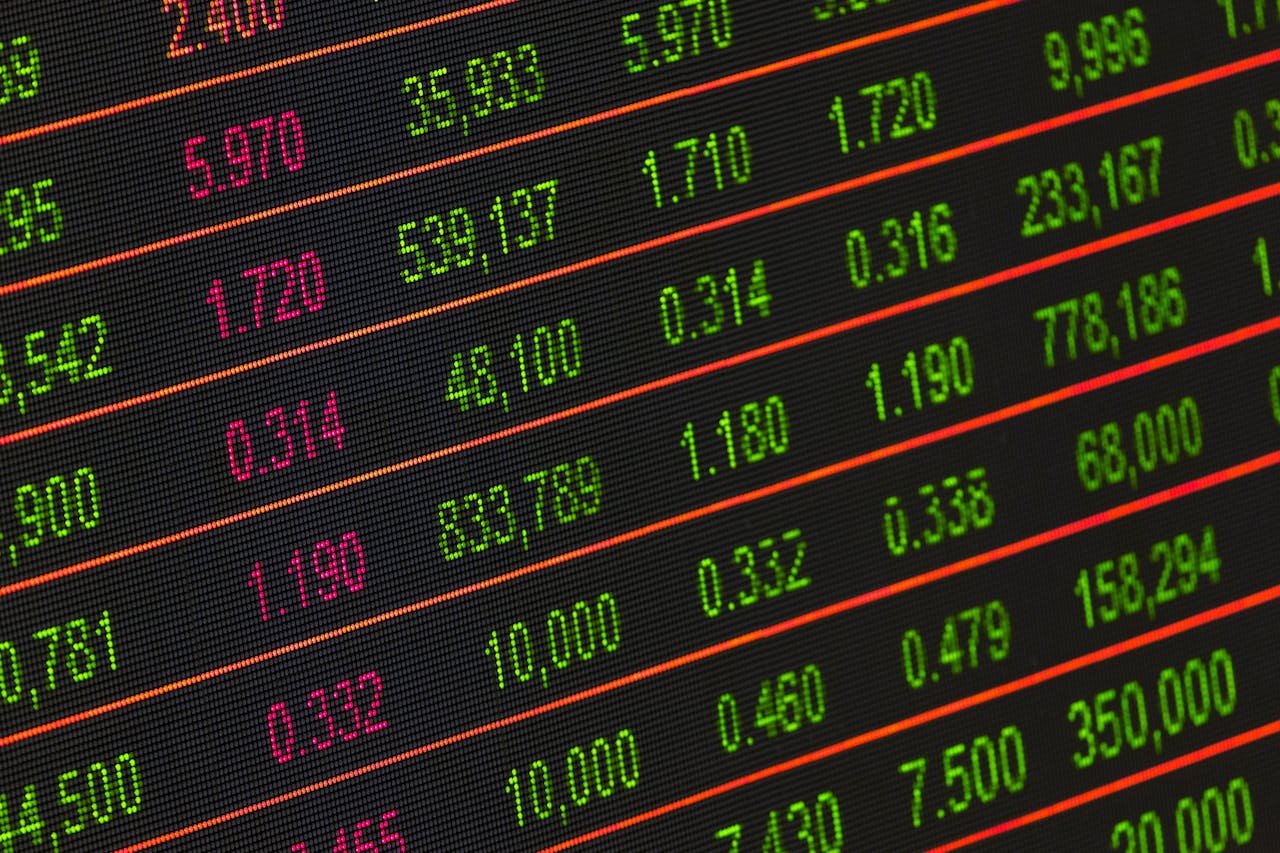
Asian markets climb as Wall Street pauses its rally
- China plans to inject $142 billion into its state-run banks to combat shrinking interest margins and profits.
- This move follows precedents set by other governments, such as the U.S.’s Troubled Asset Relief Program in 2008.
- In addition to the capital injection, China announced a “living allowance” for the poor and measures to revive the property sector.
- The announcement had a positive impact on Asian stock markets, although the rally lost momentum due to China’s economic slowdown.
In a significant move that has sent ripples across the global financial landscape, China has announced plans to inject a staggering $142 billion into its state-run banks. This decision, as reported by Bloomberg and other sources, is a strategic response to the shrinking interest margins and profits that have been plaguing the country’s banking sector. The sources, who chose to remain anonymous, revealed that the Chinese government is set to spend 1 trillion yuan on capital injections for lenders.
Earlier this week, Li Yunze, the head of the National Financial Regulatory Commission, had hinted at this development during a press conference in Beijing. He had stated that regulators were planning to increase capital at six large banks, although he did not disclose the exact amount at the time. Banks’ interest margins and profits have shrunk, so it is necessary to coordinate various channels such as internal and external channels to replenish capital, Li had said.
This move is not without precedent. In the past, governments worldwide have often resorted to capital injections to stabilize their banking sectors during times of financial distress. For instance, during the 2008 global financial crisis, the U.S. government had implemented the Troubled Asset Relief Program (TARP), injecting hundreds of billions of dollars into its banking system to prevent its collapse.
China’s Additional Measures to Support Economy
In addition to the capital injection, the Chinese government also announced a living allowance, or cash handouts for the poor, ahead of next week’s National Day holidays. While such subsidies to ordinary people are uncommon, the ruling Communist Party has been known to mark special occasions with payments to families in difficulty. The exact amount of these payments was not disclosed, but they are expected to help address a weak point for the economy — faltering consumer spending.
Earlier this week, Beijing had announced a series of measures to help revive China’s ailing property sector, such as reduced interest rates and down payment requirements for some mortgages. Defaults by real estate developers have been another factor weighing on the banking sector, and these measures are expected to alleviate some of that pressure.
Asian Stock Markets React Positively
The announcement of China’s stimulus plans had an immediate and positive impact on Asian stock markets. Hong Kong’s Hang Seng jumped 3.5% to 19,794.33, and the Shanghai Composite index surged 3.3% to 2,993.46. Other markets in the region also saw increases, with the Nikkei in Tokyo advancing 2.8% to 38,925.63, and South Korea’s Kospi jumping 2.9%, to 2,671.57 after semiconductor maker SK Hynix launched production of a new memory chip for artificial intelligence. In Australia, the S&P/ASX 200 picked up 1% to 8,203.70.
Stephen Innes of SPI Asset Management commented on the situation, saying, “Asian stocks shrugged off Wall Street’s stumble and surged ahead on Thursday, riding high on renewed optimism over China’s stimulus push. It seems like China hasn’t run out of kitchen sinks just yet.”
However, the rally lost momentum by midweek, as the slowdown in China’s economy has weighed on trade and growth in the region. The blasts of stimulus have lifted markets this week, though the rally lost momentum by midweek.
In conclusion, China’s decision to inject $142 billion into its state-run banks is a strategic move aimed at bolstering its banking sector and stimulating economic growth. The impact of this decision will be closely watched by investors and economists worldwide, as it could set a precedent for other countries facing similar economic challenges. The measures taken by the Chinese government, including the capital injection and the living allowance, demonstrate a proactive approach to addressing economic challenges and could potentially serve as a model for other nations in similar situations.






Post Comment