Apple Adapts to EU Digital Rules, Allows App Deletion
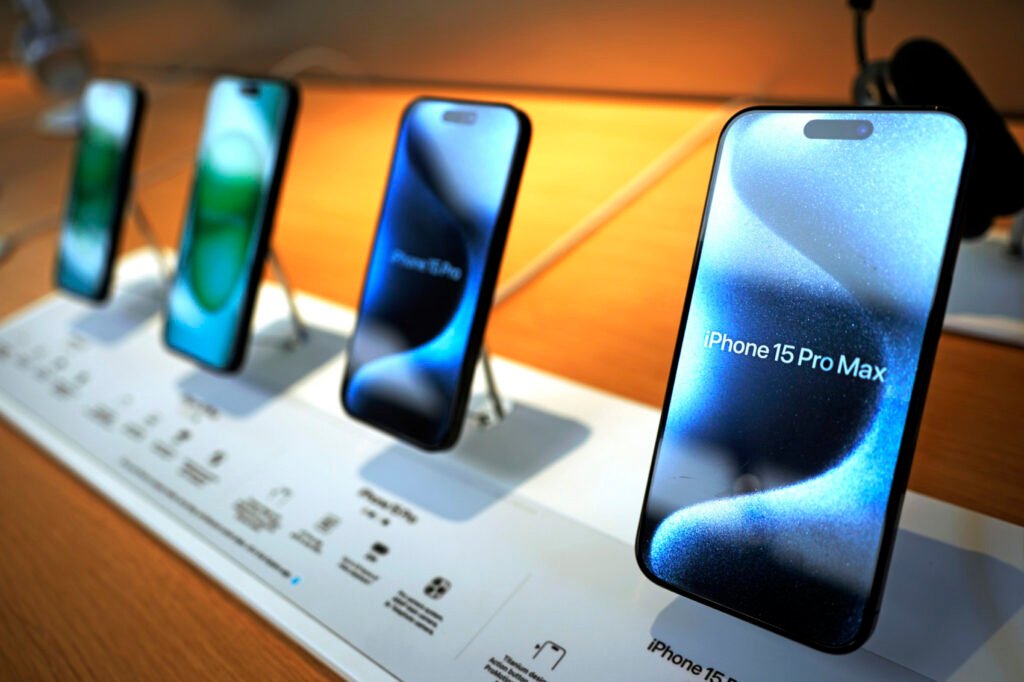
- Apple will allow EU users to delete the App Store or Safari, adapting to the new Digital Markets Act (DMA).
- The DMA aims to increase digital competition, leading to Apple’s shift towards user choice.
- Apple will also introduce a section for users to manage default settings, but with security measures for browser engines.
- The DMA’s regulations have led to Apple allowing developers to promote offers outside the App Store, marking a significant policy shift.
In a significant policy shift, Apple Inc. has announced that it will allow iPhone and iPad users in the European Union to delete the App Store or its Safari browser. This move comes as the tech giant begins to loosen its grip on devices in the EU due to the bloc’s landmark new digital rules, known as the Digital Markets Act (DMA). For years, Apple has fiercely protected the App Store as the sole gateway for digital content to reach its popular mobile devices. However, the DMA’s introduction has necessitated a change in this approach.
The DMA is designed to increase competition in the digital sphere by providing a list of what Big Tech can and cannot do. For instance, they must offer choice screens for web browsers and search engines to give users more options. In response to these new regulations, Apple has stated that The App Store, Messages, Camera, Photos, and Safari apps will be deletable for users in the EU. The only exceptions to this will be the Settings and Phone apps, which will remain undeletable. This move is a significant departure from Apple’s previous stance and marks a new era of flexibility and user choice in the EU.
Apple’s New User Control Features
In addition to this, Apple is also introducing a special section where iPhone or iPad users will be able to manage default settings for browsers, messaging, phone calls, and other features. This is another step towards giving users more control over their devices and how they interact with digital content. However, this increased flexibility does not come without its challenges. As Apple points out, browser engines are constantly exposed to untrusted and potentially malicious content and have visibility into sensitive user data, they’re one of the most common attack vectors for malicious actors.

To mitigate this risk, Apple will only authorize developers to implement alternative browser engines after meeting specific criteria and committing to a number of ongoing privacy and security requirements, including timely security updates to address emerging threats and vulnerabilities. This move by Apple is not just about complying with the DMA, but also about addressing the findings of the European Commission, the EU’s powerful antitrust regulator.
Apple’s Response to DMA Regulations
In the past, app makers had to use Apple’s payment system on the App Store, with the tech titan getting a piece of transactions. The EU argued that these terms prevented app developers from freely steering consumers to alternative ways to pay, making Apple the first-ever tech firm to face accusations of breaching the DMA. In response to these accusations, Apple last month promised changes to comply with the DMA. Starting from the autumn, developers in the EU can communicate and promote offers for purchases wherever they want, for example, via an alternative app marketplace. This change also includes a new fee structure for customers linking out of an app for offers and content.
The European Commission has stated that it will assess Apple’s eventual changes to the compliance measures, also taking into account any feedback from the market, notably developers. The DMA gives the EU the power to impose hefty fines, and Apple is not the only company targeted by the DMA. Other tech giants such as Google parent Alphabet, Amazon, Meta, Microsoft, and TikTok owner ByteDance must also comply.
In conclusion, Apple’s decision to allow EU users to delete the App Store and Safari, along with other apps, marks a significant shift in the company’s approach to user choice and competition. It remains to be seen how these changes will be implemented and what impact they will have on the broader tech landscape in the EU. However, one thing is clear: the DMA is reshaping the digital sphere, and tech giants like Apple must adapt or face the consequences.










Post Comment