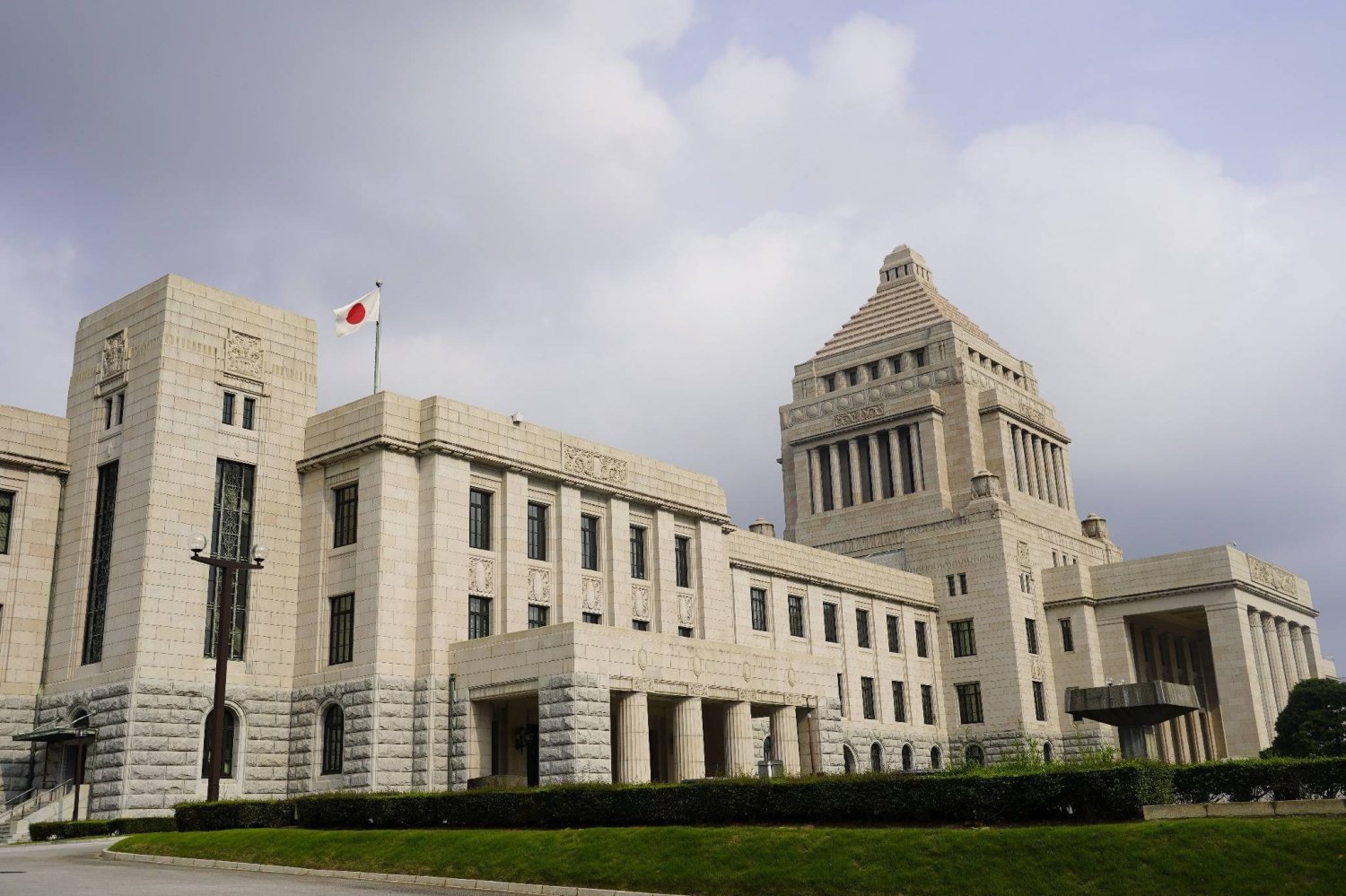
Parliament extends current session through July 25
Parliament approved an eight-day extension after lawmakers ran out of time Friday to debate a controversial bill the ruling Liberal Democratic Party-Japan Innovation Party coalition wants passed before breaking for a summer recess.
The extension runs through July 25 and was decided on what was supposed to have been the final day of the current session.
The purpose is to continue discussion on a bill establishing the concept for a secondary capital, to be located somewhere outside of Tokyo. The bill is a key policy goal of the JIP, also known as Nippon Ishin no Kai, which joined the LDP to form a coalition last October under the condition it be passed into law.
“I believe it’s extremely important to have the bill passed during the current Diet session,” JIP leader Hirofumi Yoshimura said Friday, describing the extension as unavoidable to enact the bill.
But the effort faces strong resistance from major opposition parties and some LDP members as being nothing more than an attempt by the JIP to locate a secondary capital in its Osaka base.
Yoshimura, who also serves as Osaka governor, is pushing for an Osaka municipal merger, which JIP hopes will give Osaka an advantage in what’s expected to be a nationwide race among local governments to be designated a secondary capital.
While the bill easily cleared the Lower House, where the LDP has a two-thirds majority, the opposition parties control the Upper House and most are against the measure. Only the two-member party Team Mirai has agreed to support the legislation.
Even with the LDP, the JIP, and Team Mirai, however, the bill is two votes shy of a majority. Prime Minister Sanae Takaichi’s ruling coalition decided to seek an extension to make good on last year’s promise to the JIP. They hope it buys them time to secure at least two more votes in the upper chamber of parliament from among independent lawmakers or convince an opposition party to support it.
Several other bills were passed by the Upper House on Friday. One set amends the Imperial House Law to allow male descendants from the patriarchal line of 11 former branches of the imperial family to be reinstated and to allow female imperial family members to retain their status after marriage.
Another criminalizes the desecration of the Japanese flag and a third revises the Code of Criminal Procedure to make it tougher for prosecutors to appeal court decisions that grant retrials.












Post Comment