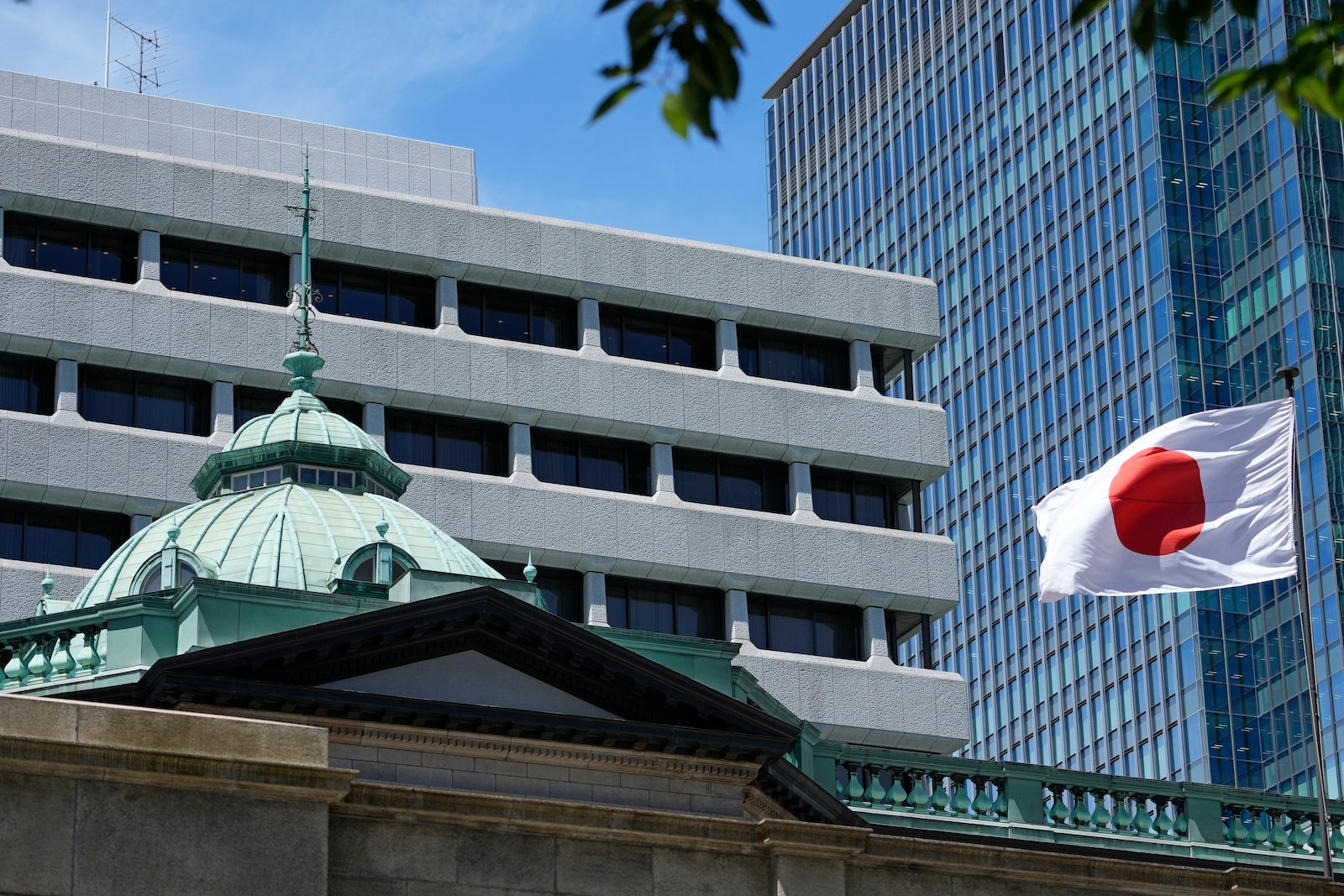
BOJ’s focus on inflation, wage growth, and rate hikes in Japan
Bank of Japan Governor Kazuo Ueda expressed the central bank’s objective of achieving moderate inflation while promoting wage growth and overall economic progress in alignment with Prime Minister Sanae Takaichi’s focus on revitalizing growth. Additionally, Finance Minister Satsuki Katayama echoed the administration’s stance that it was premature for the central bank to raise interest rates, citing that inflation has yet to consistently reach the BOJ’s 2% target. Katayama emphasized that Japan need not be overly concerned about the potential risks associated with excessive inflation.
These statements underscore the hurdles the BOJ may encounter in moving forward with a planned rate increase, which Ueda had hinted could occur as early as December. Ueda further noted in a parliamentary session that domestic consumption remains robust due to a strong labor market driving up wages, fostering a sustainable cycle of wage growth and inflation. While escalating raw material expenses have pushed food prices upwards, Ueda highlighted that a gradual economic revival has resulted in price upticks for other products and services.
Analyzing the underlying inflation excluding temporary factors, Ueda observed a gradual progress towards the 2% target. He indicated that Japan is on track to meet the criteria necessary for raising interest rates. The central bank’s focus lies in achieving moderate inflation in conjunction with increasing wages, buoyed by enhancements in economic conditions that stimulate consumption and capital investments. Last year, the BOJ concluded a prolonged, expansive stimulus program initiated by former governor Haruhiko Kuroda as part of the “Abenomics” package under late premier Shinzo Abe.
Despite raising short-term rates to 0.5% by January, the BOJ has maintained borrowing costs to evaluate the repercussions of heightened U.S. tariffs on the economy. Efforts to bring rates in line with neutral levels have been complicated by Takaichi’s premiership, advocating for expansive fiscal and monetary policies. Her administration has committed to implementing a substantial spending scheme to mitigate the economic impact of escalating living expenses. Takaichi appointed reflationists supportive of loose fiscal strategies underpinned by low rates, such as former BOJ deputy governor Masazumi Wakatabe, to key government roles.
Market speculation regarding Takaichi’s spending initiatives prompted a rise in Japan’s super-long government bond yields to nearly a one-month peak. The yen depreciated against the dollar and euro on anticipations of a cautious approach by the BOJ towards future rate hikes. The weak yen contributes to higher import costs, exacerbating the inflationary pressures that Takaichi aims to temper. Despite verbal interventions from the finance minister to curb the yen’s decline, the currency remained relatively unchanged.
Some analysts suggest that the significant expenditure proposed by the new administration could fuel inflation by stimulating demand. Concerns about Takaichi’s aggressive fiscal stance impacting Japan’s financial stability have contributed to the yen’s devaluation, intensifying inflation while potentially burdening households. Former BOJ board member Takahide Kiuchi remarked on the inherent contradiction and vulnerability in the Takaichi administration’s fiscal policies, emphasizing the intricate interplay between expenditure, currency value, and inflation levels.














Post Comment