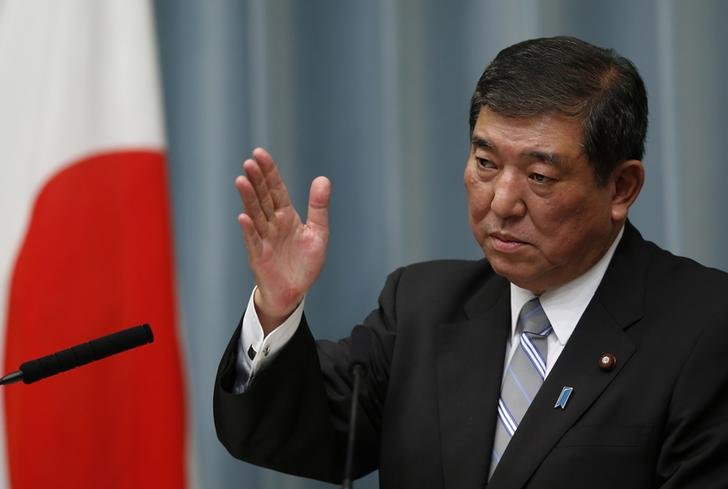
Japan Eyes U.S. Defense Buys to Ease Trade Tensions
- Japan’s Ryosei Akazawa suggests buying U.S. defense gear to ease trade tensions.
- Talks focus on tariffs, with Japan seeking relief from U.S. levies on exports.
- Japan may compromise on tariffs, aligning with U.S. deals with China and Britain.
- Economic impacts loom if tariff pauses end; Japan eyes U.S. shipbuilding support.
- Ongoing negotiations could reshape Japan-U.S. trade and security relations.
Japan’s chief tariff negotiator, Ryosei Akazawa, has proposed that purchasing U.S. defense equipment could help mitigate the trade deficit between Japan and the United States. This suggestion comes amid ongoing negotiations over tariffs, with the next round of talks scheduled in Washington. Akazawa, after meeting with Prime Minister Shigeru Ishiba, indicated that these defense purchases might be considered within the scope of the tariff discussions. However, he emphasized that security matters and tariff negotiations are based on different logic and standards, making it inappropriate to mix them in talks.
The backdrop to these negotiations is the imposition of higher tariffs by the Trump administration on key Japanese exports, including cars, car parts, steel, and aluminum. These measures were part of a broader strategy by the U.S. to reduce its trade deficits. Japan has been actively seeking the withdrawal of these tariffs, which have been partially paused through early July. However, the Trump administration has been resistant to the complete removal of these levies, including a significant 25-percent tariff on imported cars.
In response to the U.S. stance, there is a growing sentiment within the Japanese government to consider a compromise. Instead of pushing for the full removal of tariffs, Japan might concede to lower duty rates to secure a trade deal. This approach aligns with the Trump administration’s previous tariff-cutting agreements with China and Britain. Despite this potential shift in strategy, Akazawa has maintained a firm position, stating, “Our position has not changed. We absolutely cannot compromise” on the request to have all tariff measures reviewed.
Economic Implications and Strategic Moves
The economic implications of these tariffs are profound. The minister in charge of economic revitalization warned of an “extraordinary” impact on the Japanese economy if the 90-day pause on the extra part of the so-called reciprocal tariff ends as scheduled on July 9. This pause has provided temporary relief, but its expiration could exacerbate economic challenges for Japan.
As the negotiations progress, Akazawa is expected to meet with U.S. Treasury Secretary Scott Bessent, who is leading the negotiations on the U.S. side. Bessent was absent from the previous week’s talks due to his attendance at the Group of Seven (G7) meeting in Canada. Japan is also hoping to arrange an in-person summit between Prime Minister Ishiba and President Donald Trump on the sidelines of the G7 summit in June. Diplomatic sources suggest that the two governments might hold their fifth round of ministerial-level talks ahead of this meeting.
In the context of these negotiations, Prime Minister Ishiba has expressed Japan’s willingness to support the United States in its efforts to revive its shipbuilding industry. This support is particularly relevant given China’s increasing dominance in the sector. Washington has shown interest in where its military ships can be repaired overseas, with Japan being a potential location for such activities.
Historical Context and Recent Developments
The broader context of these negotiations is shaped by recent developments in the U.S. tariff landscape. The U.S. Court of International Trade recently deemed the majority of President Trump’s global tariffs as ‘unlawful,’ placing most of them on indefinite hold while the administration appeals the decision through the Supreme Court. This ruling impacts the flat-rate ‘reciprocal’ tariffs aimed at U.S. trade partners, as well as key China-focused duties, although some levies, specifically those covering steel, aluminum, and certain Chinese goods, remain intact.
President Trump has faced criticism for his tariff policies, with a new Wall Street trading philosophy emerging in response to his frequent pattern of imposing high tariffs and then backing off. Dubbed the “TACO” trade, short for “Trump Always Chickens Out,” this approach has been criticized for causing market volatility. Trump defended his strategy, stating, “It’s called negotiation,” emphasizing that it has helped the U.S. gain leverage in trade negotiations.
The European Union has also been actively engaged in trade talks with the U.S. to avoid Trump’s proposed 50% tariffs, which have been delayed until July 9. Tariff concerns continue to weigh on corporate America, with companies like Nvidia and Apple facing challenges related to export controls and potential tariffs on their products.
Historically, trade negotiations and tariff disputes have been a recurring theme in international relations. The Smoot-Hawley Tariff Act of 1930, for example, raised U.S. tariffs on over 20,000 imported goods, leading to a significant decline in international trade and exacerbating the Great Depression. More recently, the U.S.-China trade war, initiated in 2018, saw both countries imposing tariffs on billions of dollars’ worth of goods, impacting global supply chains and economic growth.
In the current scenario, Japan’s consideration of defense equipment purchases as a bargaining chip in tariff negotiations reflects a strategic approach to addressing trade imbalances. By leveraging its role as a key security ally of the U.S., Japan aims to secure favorable terms in the ongoing talks. However, the complexity of these negotiations underscores the challenges of balancing economic interests with security considerations.
As the tariff talks continue, the outcome will have significant implications for both Japan and the United States. The potential for a compromise on tariffs, coupled with Japan’s support for U.S. shipbuilding efforts, could pave the way for a strengthened bilateral relationship. However, the path to a resolution remains fraught with challenges, as both nations navigate the intricacies of trade policy and international diplomacy.












Post Comment