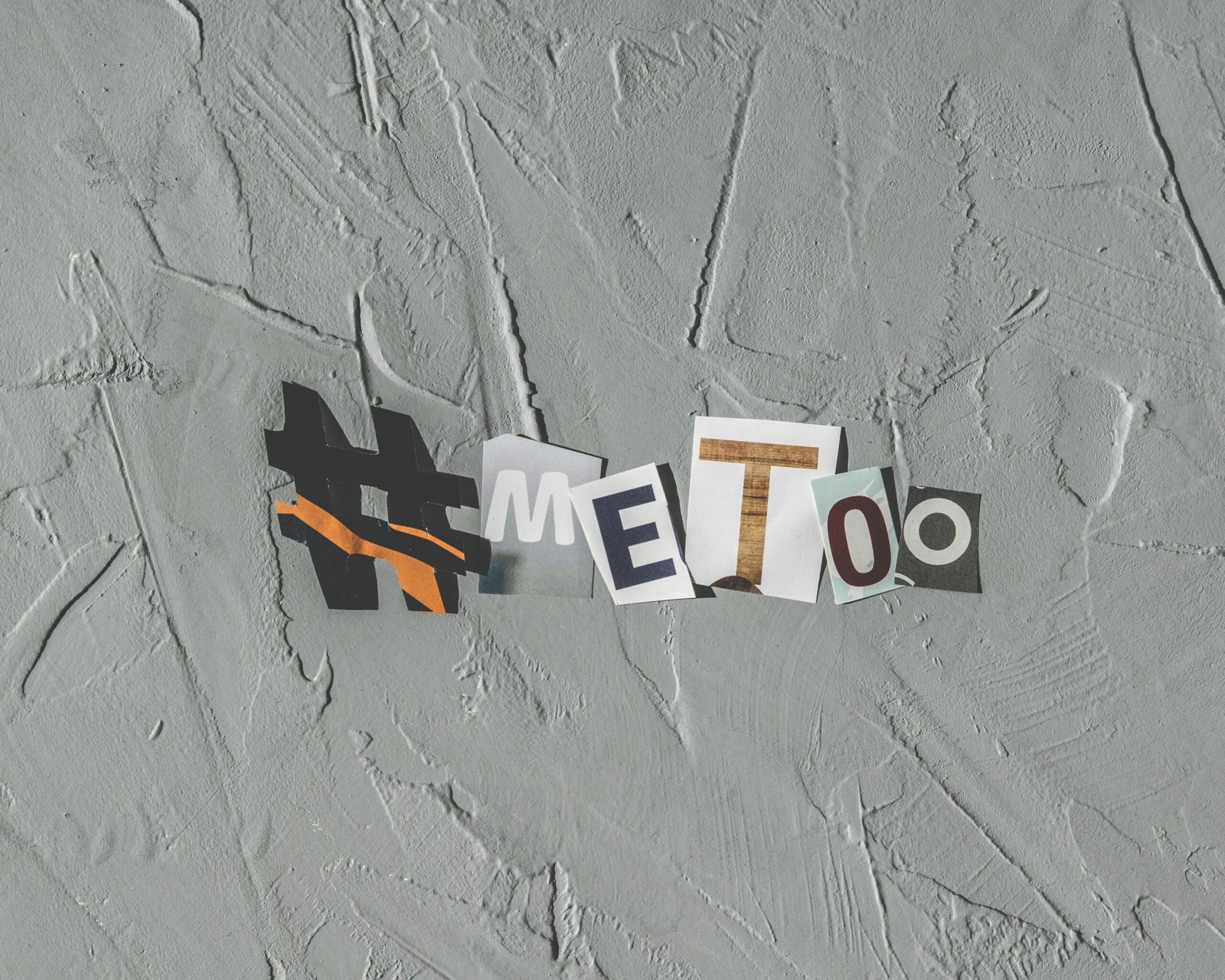
Japan’s #MeToo Icon Criticizes Media Over Nakai Scandal
- Shiori Ito, a key figure in Japan’s #MeToo movement, criticizes Japanese media for their inadequate reporting on sexual assault cases.
- This criticism follows a scandal involving celebrity Masahiro Nakai and Fuji TV, with allegations of sexual assault and a cover-up.
- Ito notes that despite some progress, the media still tends to cover up cases involving powerful individuals.
- The recent developments highlight systemic issues in reporting sexual assault in Japan, emphasizing the need for change in handling such cases globally.
In a recent revelation, Shiori Ito, a prominent figure in Japan’s #MeToo movement, has criticized the Japanese media for their inadequate reporting on sexual assault cases. This criticism comes in the wake of a scandal involving celebrity Masahiro Nakai and Fuji TV. Nakai, a renowned host on Fuji Television, was accused of sexually assaulting a woman in 2023, an allegation that was first reported in a tabloid. The woman was allegedly paid 90 million yen to sign a non-disclosure agreement.
The scandal reached its peak last week when Nakai, 52, announced his retirement. This was followed by the resignation of top executives at Fuji Television on Monday, in response to mounting criticism over their handling of the case. Ito, who won a landmark civil case in 2019 against a prominent TV reporter accused of raping her, expressed her lack of surprise at the allegations against Nakai.
Ito, 35, has used her experience to create an Oscar-nominated documentary. She noted that the Japanese media has become more comfortable reporting on sexual violence since she went public with her story in 2017. However, she expressed disappointment at the media’s continued tendency to cover up such cases, especially when they involve powerful individuals.
The Media’s Role in Reporting Sexual Assault
In the Nakai case, most Japanese media outlets used the term trouble instead of directly referring to the allegations of sexual violence. Ito expressed her anger at this, stating that such language could imply a romantic involvement or suggest that the woman was at fault. Despite several high-profile cases, Japan has not seen a surge in #MeToo allegations, according to Ito. She attributes this to the backlash survivors face when they reveal their identities, including online trolling and verbal abuse.
Government surveys in Japan show that few rape victims report the crime to the police, although the number of consultations at sexual violence support centers is increasing. Rina Gonoi, a former soldier, received both praise and online hate when she posted on YouTube about being sexually assaulted by male colleagues, three of whom were later given suspended jail sentences.
Earlier this month, the president of Fuji Television, who resigned on Monday, admitted that the channel knew about the Nakai scandal before it was reported in the media. This led to dozens of brands pulling their advertisements from the network. Some media outlets have described an endemic culture within Japan’s entertainment industry of wining and dining top presenters, with women staffers often invited to join such parties.
The Struggle for Justice
Ito has described this as a toxic culture, stating that sexual violence and harassment often occur when power is unbalanced. She alleges that former TV journalist Noriyuki Yamaguchi, who had close links to then-Prime Minister Shinzo Abe, raped her after inviting her to dinner to discuss a job opportunity in 2015. Yamaguchi denies the charges.
Ito’s film, Black Box Diaries, documents her struggle for justice. Despite initially being told by the police that there was insufficient evidence, they later said they would arrest Yamaguchi, only to back off suddenly. In the film, Ito records a police investigator telling her that the order came from higher-ups. She eventually won $30,000 in damages in a civil case, which led to a toughening of Japan’s rape laws.
However, despite its global recognition, the documentary has not been released in Japan. A lawyer representing Ito has stated that the documentary uses video and audio that was covertly shot or meant for court, which is legally and ethically problematic. Ito expressed her frustration at not being able to show her film in Japan, stating that she still feels isolated.












Post Comment