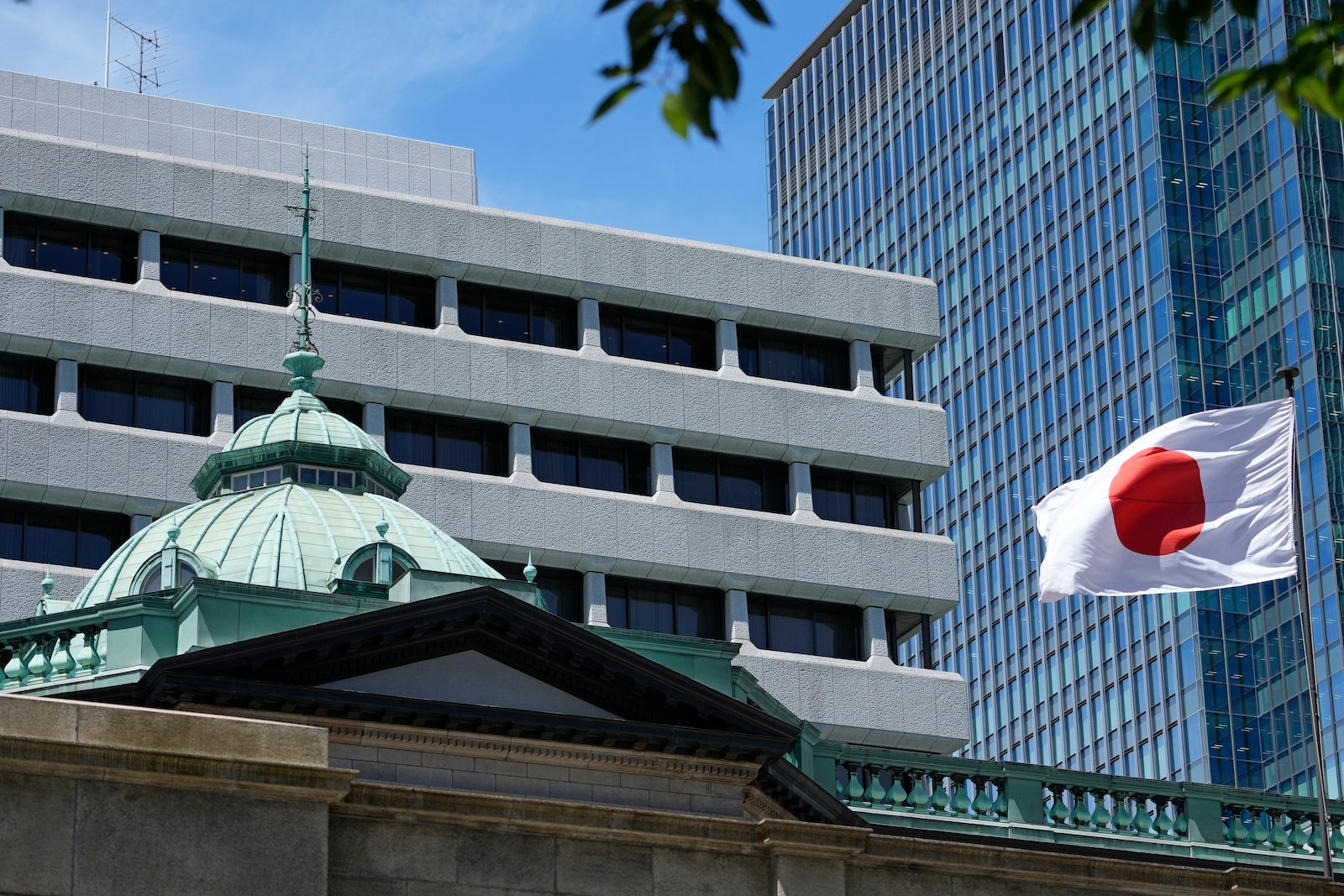
Bank of Japan Set to Hike Interest Rates Amid Global Uncertainty
- The Bank of Japan (BOJ) is set to raise interest rates to the highest level in 17 years.
- This decision, expected to be announced on Friday, will raise short-term borrowing costs to levels unseen since the 2008 financial crisis.
- This would be the first rate hike by the BOJ since July last year, a move that shocked traders and triggered a global market rout.
- The decision reflects the BOJ’s resolve to maintain economic stability, despite risks of destabilising markets and stoking uncertainty about Japan’s export-reliant economy.
The Bank of Japan (BOJ) is on the brink of raising interest rates to the highest level in 17 years, a move that is expected to lift short-term borrowing costs to levels unseen since the 2008 global financial crisis. This tightening in policy underscores the central bank’s resolve to steadily push up interest rates, currently at 0.25%, to near 1% – a level analysts see as neither cooling nor overheating Japan’s economy.
The BOJ’s decision is expected to be announced at the end of a two-day meeting on Friday, barring any market shocks after U.S. President-elect Donald Trump takes office on Monday. The central bank is likely to raise its short-term policy rate to 0.5% unless Trump’s inaugural speech and executive orders upend financial markets.
In a quarterly outlook report, the BOJ board is also expected to raise its price forecasts on growing prospects that broadening wage gains will keep Japan on track to sustainably hit the bank’s 2% inflation target.
BOJ’s First Rate Hike Since Last Year
This would be the first rate hike by the BOJ since July last year, a move that, coupled with weak U.S. jobs data, shocked traders and triggered a rout in global markets in early August. The BOJ has carefully prepared markets for this move, with clear signals by Governor Kazuo Ueda and his deputy last week that a rate hike was on the cards. These remarks caused the yen to rebound as markets priced in a roughly 80% chance of a rate increase on Friday.
However, there is good reason to tread cautiously. While the International Monetary Fund raised its forecast for global growth in 2025, Trump’s policies risk destabilising markets and stoking uncertainty about the outlook for Japan’s export-reliant economy. Domestic political uncertainty could also heighten, as Prime Minister Shigeru Ishiba’s minority coalition may struggle to pass the budget through parliament and win an upper house election scheduled in July.
The Impact of Past Rate Hikes
The BOJ’s decision to raise interest rates comes at a time when the global economy is grappling with the effects of the COVID-19 pandemic and the subsequent economic downturn. The central bank’s move is seen as a response to the rising inflation rates and the weak yen, which has kept import costs elevated.
The BOJ’s decision to raise interest rates is also influenced by the economic damage caused by past ill-fated rate hikes. The BOJ ended quantitative easing in 2006 and pushed short-term rates to 0.5% in 2007, moves that triggered a storm of political criticism as delaying an end to deflation. The BOJ cut rates from 0.5% to 0.3% in October 2008, then to 0.1% in December of that year, as the global financial crisis pushed Japan into recession. Since then, various unconventional steps have kept borrowing costs stuck near zero.
In conclusion, the Bank of Japan’s decision to raise interest rates is a significant development in the global financial markets. It reflects the central bank’s resolve to steadily push up interest rates to near 1%, a level that is seen as neither cooling nor overheating Japan’s economy. However, the decision also comes with risks, as it could destabilise markets and stoke uncertainty about the outlook for Japan’s export-reliant economy. The move is a clear indication of the central bank’s commitment to maintaining economic stability, even in the face of global uncertainties.














Post Comment