
Asian Markets Dip as Investors Await China’s Stimulus Plan
- Asian markets dipped on Friday, led by Chinese stocks, as investors await China’s stimulus plan details.
- The Shanghai Composite lost 2.9%, and the CSI 300 Index gave up 3.2%.
- Japan’s Nikkei 225 rose by 0.6%, while Australia’s S&P/ASX 200 dipped slightly by 0.1%.
- The upcoming briefing from China’s Finance Ministry on the stimulus plan is being closely watched by global investors.
Asian markets experienced a downturn on Friday, with Chinese stocks leading the decline as investors eagerly anticipate a key briefing on the details of an upcoming stimulus plan. This briefing, scheduled by China’s Finance Ministry for the weekend, has been the focal point of market attention. The Shanghai Composite, a significant index in the Chinese market, lost 2.9% to 3,025.31, while the CSI 300 Index, which tracks the top 300 stocks traded in the Shanghai and Shenzhen markets, gave up 3.2%.
This decline in Chinese stocks comes in the wake of disappointment from earlier stimulus announcements. Many investors had hoped that the new fiscal policies would follow the steps of previous announcements made in late September, aimed at reviving the struggling property market and boosting economic growth. The market consensus for the stimulus package is 2 trillion yuan, a figure that falls short of the 5 to 10 trillion yuan that some had hoped for. The market reaction on Monday will depend more on the timing and the specific targets for the extra spending, according to Stephen Innes of SPI Asset Management.
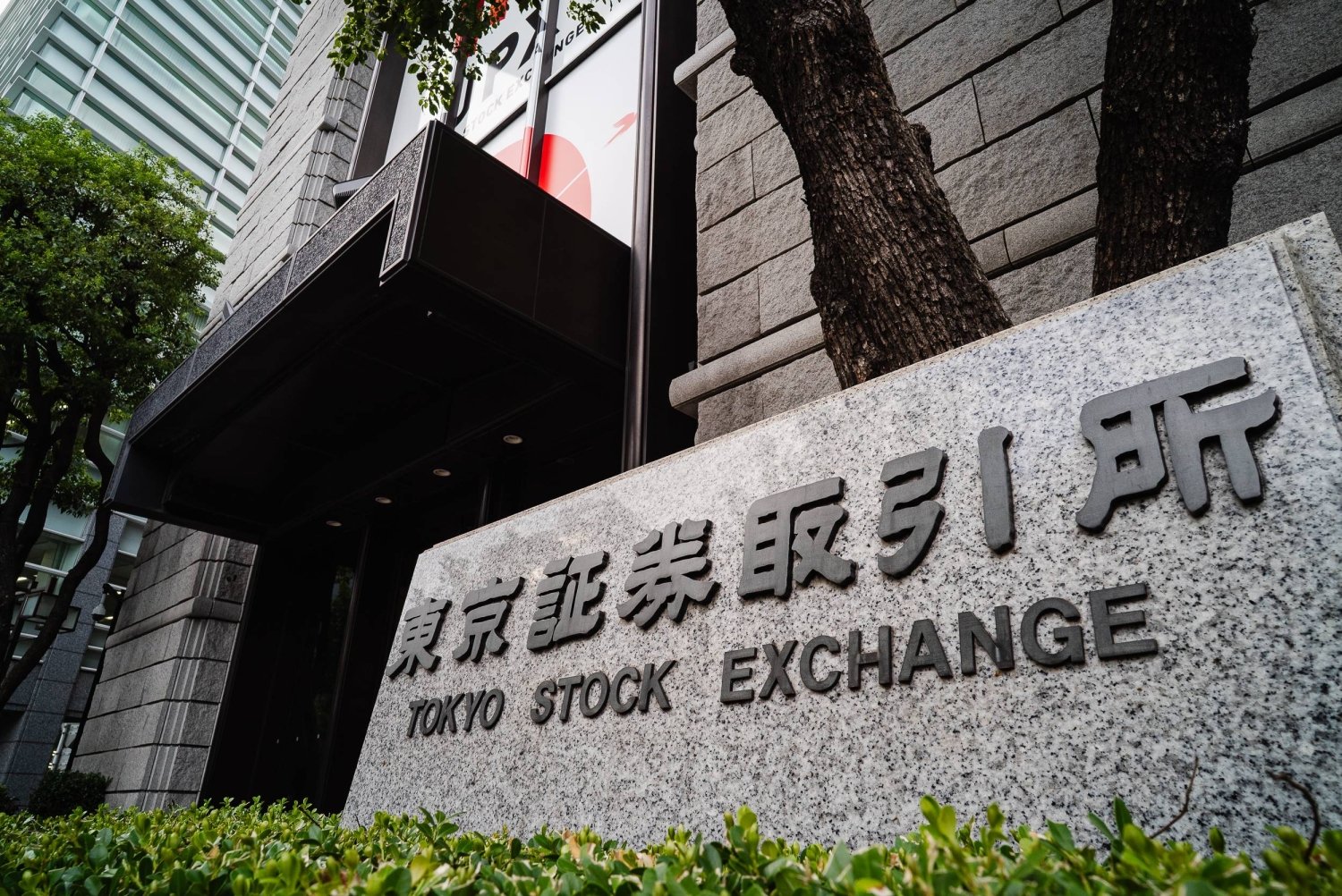
In contrast to the Chinese market, Japan‘s benchmark Nikkei 225 was up 0.6% and closed at 39,605.80. Australia’s S&P/ASX 200 dipped slightly by 0.1% to 8,214.50. Hong Kong markets were closed on Friday for a public holiday, but on Tuesday, the index dropped more than 9%, marking its worst loss since the 2008 global financial crisis.
Global Market Reactions and Anticipations
Elsewhere in Asia, South Korea’s central bank cut its benchmark interest rate by 25 basis points to 3.25% on Friday. This move signals a shift to an easing cycle intended to stimulate economic growth. This is the Bank of Korea’s first rate cut since 2020, which comes after a contraction in gross domestic product in the second quarter, along with an inflation rate in September that fell below the central bank’s target of 2%.
In the U.S., stocks edged back from earlier records after reports showed inflation was a touch warmer last month than expected and more workers filed for unemployment benefits last week. The S&P 500 slipped 0.2% to 5,780.05, and the Dow Jones Industrial Average dipped 0.1% to 42,454.12 after setting an all-time high the day before. The Nasdaq composite edged down by 0.1% to 18,282.05.
Thursday’s report showed inflation slowing to 2.4% in September from 2.5% in August, according to the consumer price index, but economists were expecting an even sharper slowdown to 2.3%. At the same time, a separate report showed 258,000 U.S. workers filed for unemployment benefits last week. That number is relatively low compared with history, but it was a sharper acceleration than economists expected. Hurricane Helene and a strike by workers at Boeing may have helped make the number look worse.
Bond and Commodity Market Movements
In the bond market, Treasury yields rose immediately after the release of the economic data, only to then swing up and down as traders tried to handicap what it would all mean for the Fed. The yield on the 10-year Treasury held at 4.07%, the level it was at late Wednesday. The two-year Treasury yield, which more closely tracks expectations for the Fed, fell to 3.96% from 4.02% late Wednesday.
In other dealings, U.S. benchmark crude oil lost 92 cents to $74.93 per barrel. Brent crude, the international standard, declined $1.04 to $78.36 per barrel. The dollar rose to 148.68 Japanese yen from 148.51 yen. The euro cost $1.0937, up from $1.0936.
This recent market activity echoes historical events such as the 2008 global financial crisis, where markets also experienced significant volatility due to economic uncertainty. The current situation, however, is unique due to the anticipation of China’s fiscal stimulus plans and the impact of the ongoing pandemic on global economies. The upcoming briefing from China’s Finance Ministry will be a critical determinant of future market trends, and investors worldwide will be watching closely.










Post Comment