Ishiba’s Economic Vision: Japan’s Full Exit from Deflation;
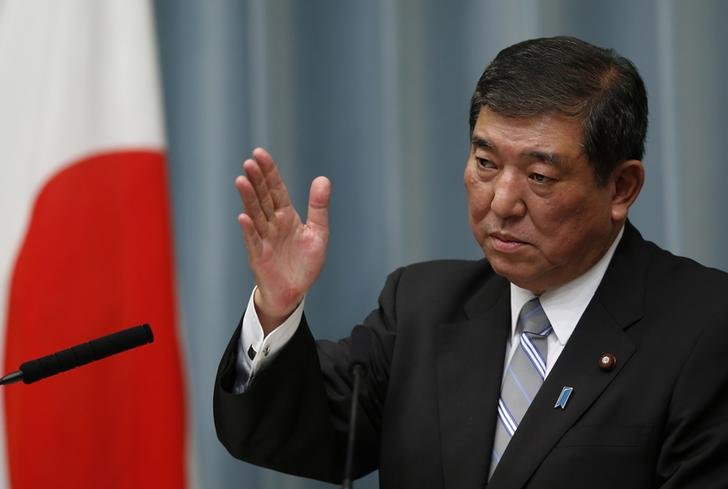
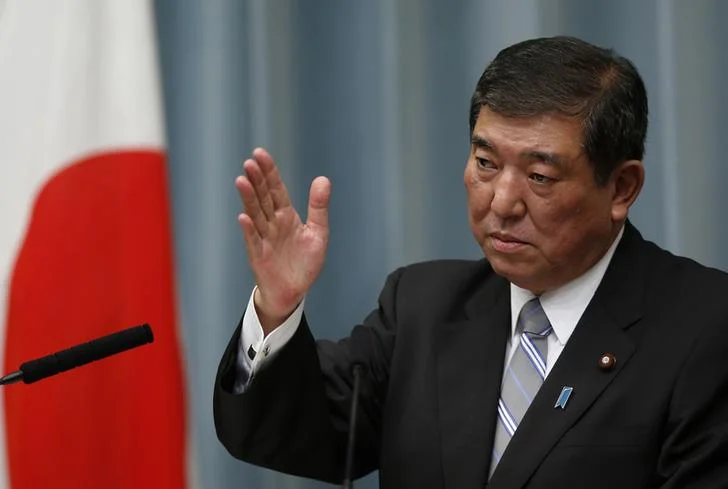
- Shigeru Ishiba, a contender in Japan’s LDP leadership race, emphasizes the need for Japan’s complete exit from deflation.
- Ishiba’s economic policies could significantly influence Japan’s future fiscal and economic direction.
- Another candidate, Takayuki Kobayashi, believes economic growth should be prioritized over finance.
- The LDP’s leadership race is significant as the winner will likely become Japan’s prime minister, directly influencing the country’s fiscal and economic policies.
In a recent press conference, Shigeru Ishiba, the former Japanese defense minister and current contender in the ruling Liberal Democratic Party’s (LDP) leadership race, emphasized the importance of Japan’s complete exit from deflation. Ishiba’s comments come at a time when Japan, burdened with the industrial world’s heaviest debt, more than twice the size of its economy, has pledged to deliver a primary budget surplus by the next fiscal year. Ishiba stated, I don’t think private consumption has recovered strongly yet despite some signs of improvement.
He further pledged to achieve sustainable growth in real wages to realize a full exit from deflation, allowing people to spend without worrying about the future. These comments are intended to counter speculation that Ishiba is more focused on fiscal discipline than economic growth, according to a ruling party source close to Ishiba’s thinking. The LDP’s parliamentary control means its leader becomes the prime minister of Japan. Therefore, Ishiba’s economic policies could significantly influence Japan’s future fiscal and economic direction.
Ishiba vs. Kobayashi: Contrasting Economic Policies
Another candidate, former economic security minister Takayuki Kobayashi, offered a contrasting approach to economic policy. In a separate press conference, Kobayashi reiterated that economic growth should be prioritized over finance. He stated, I believe we should aim to raise tax revenue by creating a strong economy, which would in turn result in a sustainable finance and social welfare system. Kobayashi also pledged to compile a stimulus package by the end of this year to support those affected by inflation, including small- and medium-sized companies, if he were to win the party leadership race.
The leadership race is happening ahead of the LDP’s decision on October 1, 2024, when an extraordinary Diet session is expected to convene. The new prime minister of Japan is likely to be picked on that date. The possibility of a snap election following the leadership race heightens the debate on economic policies, as candidates like Ishiba and Kobayashi must present plans that appeal to voters quickly.
Japan’s Economic Challenges: A Historical Perspective
The issue of deflation and economic growth is particularly significant for Japan at this time. The country has been struggling with a prolonged period of deflation, which suppresses consumer spending and hampers economic growth. With a debt-to-GDP ratio among the highest globally, achieving a budget surplus and sustainable economic expansion is crucial for Japan’s fiscal health and future stability.
Historically, Japan has faced similar economic challenges. In the 1990s, the country experienced a period of economic stagnation known as the Lost Decade, characterized by deflation, low growth, and high public debt. The government’s efforts to stimulate the economy through fiscal policy and structural reforms were largely unsuccessful, leading to a prolonged period of economic malaise. The current economic situation and the upcoming leadership race bring back memories of this period, highlighting the importance of effective economic policies and leadership in overcoming these challenges.
In conclusion, the LDP’s leadership race is significant because the winner will likely become Japan’s prime minister, directly influencing the country’s fiscal and economic policies. Their stances on issues like deflation, fiscal discipline, and economic growth will shape Japan’s economic direction, affecting government spending, tax policies, and efforts to stimulate the economy. These are crucial for addressing Japan’s debt burden and promoting sustainable growth. The race, therefore, is not just about political leadership but also about the future of Japan’s economy.













Post Comment