Japan’s Strategic Move to Curb Rising Energy Bills
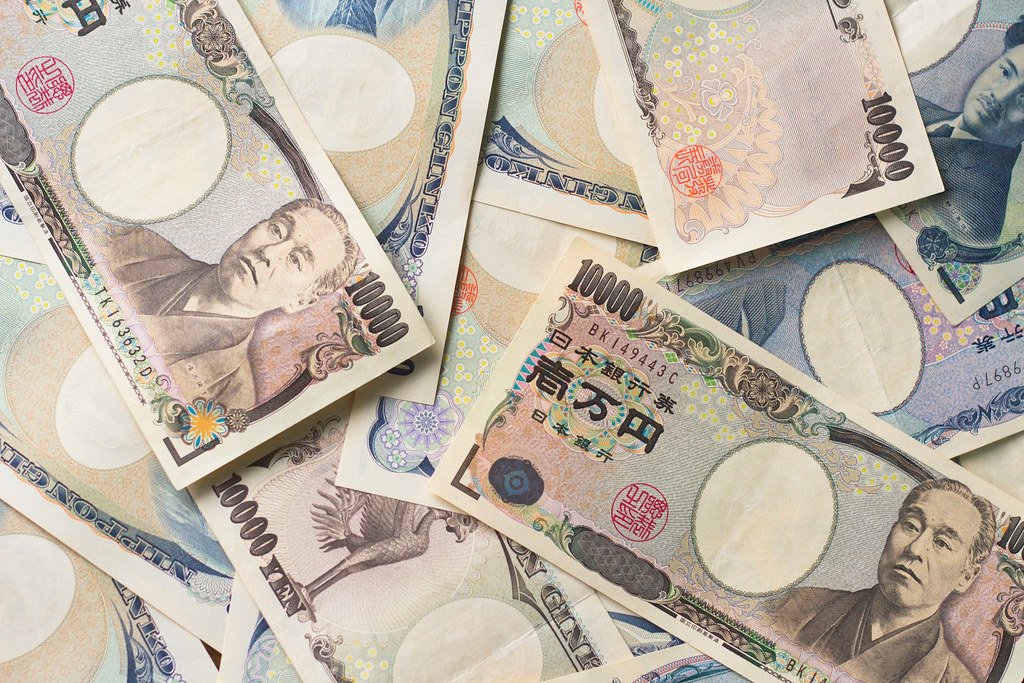
- Japan’s government is allocating an additional 989.15 billion yen in subsidies to curb rising energy bills.
- This move is in response to escalating costs of electricity, gas, and gasoline, straining households nationwide.
- The subsidies aim to ease the burden of rising energy prices, especially amidst global events like Russia’s invasion of Ukraine.
- Despite depleting the fiscal year’s reserve fund, this decision highlights Japan’s commitment to economic stability and support for its most vulnerable citizens.
In a significant move to address the escalating cost-of-living crisis, the Japanese government has decided to allocate an additional 989.15 billion yen in subsidies to curb energy bills. This decision comes in response to the rising costs of electricity, gas, and gasoline, which have been putting a strain on households across the country. The decision, made on an unspecified Tuesday, is a strategic move by the government to alleviate the financial burden on households and maintain economic stability amidst global economic challenges.
The allocation of these additional subsidies is particularly timely given the impact of events such as Russia’s invasion of Ukraine on energy prices worldwide. This geopolitical event has sharply raised household energy costs, necessitating government intervention to support the most vulnerable segments of the population. The total state expenses for measures to address the cost-of-living crisis over the past three years in Japan have amounted to more than 11 trillion yen, underscoring the magnitude of the economic pressure that the country has been facing.
The Impact of Additional Subsidies
The additional spending is intended to ease the pain of rising electricity, gas, and gasoline prices in the fall when people still tend to use air conditioning often and travel more by car. The Japanese government had previously terminated the subsidies for electricity and gas bills in May but decided in June to reinstate them between August and October to support households suffering from higher energy prices. The government will also maintain its subsidies to oil wholesalers to limit the rise in retail gasoline prices until the end of the year.
However, the allocation of these additional subsidies is not without its challenges. The move to allocate these subsidies largely depletes the current fiscal year’s reserve fund set aside to combat inflation. This suggests that the government is tapping into its reserves to fund these subsidies, highlighting the severity of the situation.
Historical Precedents and Future Implications
The decision to allocate additional subsidies for energy bills is reminiscent of similar measures taken by governments worldwide in response to economic crises. For instance, during the 2008 global financial crisis, many governments implemented various forms of fiscal stimulus, including tax cuts and increased government spending, to boost their economies. Similarly, in response to the COVID-19 pandemic, governments around the world have provided financial assistance to households and businesses affected by the economic downturn.
In conclusion, the Japanese government’s decision to allocate additional subsidies for energy bills is a significant move aimed at addressing the cost-of-living crisis and supporting households amidst rising energy costs. While this decision depletes the fiscal year’s reserve fund set aside to combat inflation, it underscores the government’s commitment to maintaining economic stability and supporting the most vulnerable segments of the population. As the global economic context remains challenging, such measures are crucial in ensuring the well-being of citizens and the overall health of the economy.













Post Comment