Japan’s Digital Minister Kono Eyes Prime Ministerial Bid

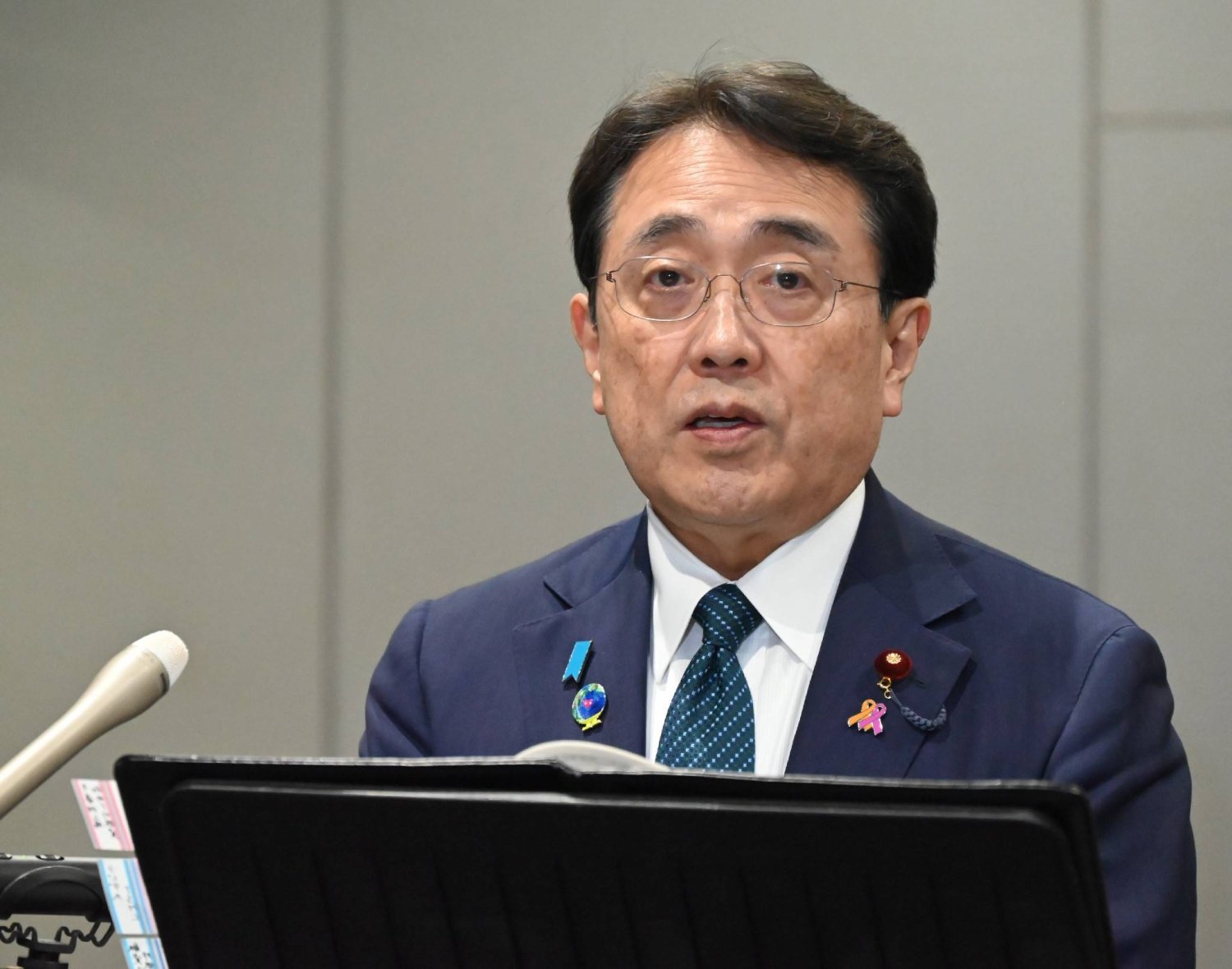
- Japan’s Digital Minister Taro Kono is set to announce his candidacy for the leadership of the ruling Liberal Democratic Party (LDP).
- The leadership race carries significant national implications, with the winner likely to become Japan’s next prime minister.
- The race is also seen as a test of public sentiment towards the LDP, which has been marred by low approval ratings and scandals.
- The election comes at a time of significant economic challenges for Japan, with the new leader needing to navigate these while also addressing other pressing issues.
Japan’s Digital Minister Taro Kono is set to announce his candidacy for the leadership of the ruling Liberal Democratic Party (LDP) on Monday. This announcement comes as the incumbent leader, Fumio Kishida, prepares to step down at the end of his three-year term in late September. Kono, a political maverick, is no stranger to the leadership race. He was defeated by Kishida in the previous election in 2021. However, his decision to throw his hat in the ring again signals his determination and resilience.
Kono, a ninth-term House of Representatives member, has held key cabinet posts, including foreign minister and defense minister, bolstering his political credentials. The upcoming election, scheduled for September 27, is expected to be a crowded contest. The number of candidates is likely to reach double digits, with several high-profile figures expected to announce their bids.
Among them is former Environment Minister Shinjiro Koizumi, who is expected to announce his bid next week. This would be the first presidential bid for Koizumi, a fifth-term member of the lower house, whose father, Junichiro Koizumi, served as Japan’s premier between 2001 and 2006.
High Stakes in the Leadership Race
Another potential contender is former economic security minister Takayuki Kobayashi, who is the only candidate to have officially declared a run so far. Kobayashi, during his announcement, expressed his desire to create a new LDP and a society where people can dream and have hopes. He also acknowledged the challenge of not being widely known among voters, a hurdle he will need to overcome in the race.
The leadership race is not just about individual ambitions but also carries significant national implications. Given that both houses of parliament are controlled by the ruling coalition, which includes the Komeito party, the winner of the LDP leadership race will almost certainly become Japan’s next prime minister. This makes the election a crucial event in determining the country’s political and policy direction.
The race is also seen as a test of public sentiment towards the LDP, which has been marred by low approval ratings and scandals related to political funds. Kishida’s leadership, in particular, has been criticized for failing to implement effective measures to curb price hikes outpacing wage growth. The election offers an opportunity for the LDP to regain public trust and demonstrate its commitment to addressing the country’s pressing issues.
Candidates’ Stance on Key Issues
The candidates’ stance on key issues will also be closely watched. Kono, for instance, is believed to have secured the backing of relatively young LDP members and former Prime Minister Yoshihide Suga, who advocates breaking with faction-based politics that long characterized the ruling party. This suggests that Kono’s candidacy could represent a shift towards a more progressive and reform-oriented approach within the LDP.
The election also comes at a time of significant economic challenges for Japan. The country’s financial markets remain unstable, according to Bank of Japan chief Kazuo Ueda. The central bank has been closely watching market developments following volatile moves in stocks after its latest interest rate hike. The new LDP leader and likely prime minister will need to navigate these economic headwinds while also addressing other pressing issues such as digital transformation and social security reforms.
In conclusion, the upcoming LDP leadership election represents a critical juncture in Japanese politics. With several high-profile figures vying for the top spot, the race promises to be a closely watched event. The outcome will not only determine the country’s next prime minister but also set the course for Japan’s political and policy direction in the coming years. As the candidates prepare to announce their bids and lay out their visions, the Japanese public and the world will be watching with keen interest.












Post Comment