Japan’s halt on new foreign restaurant workers fuels urban influx
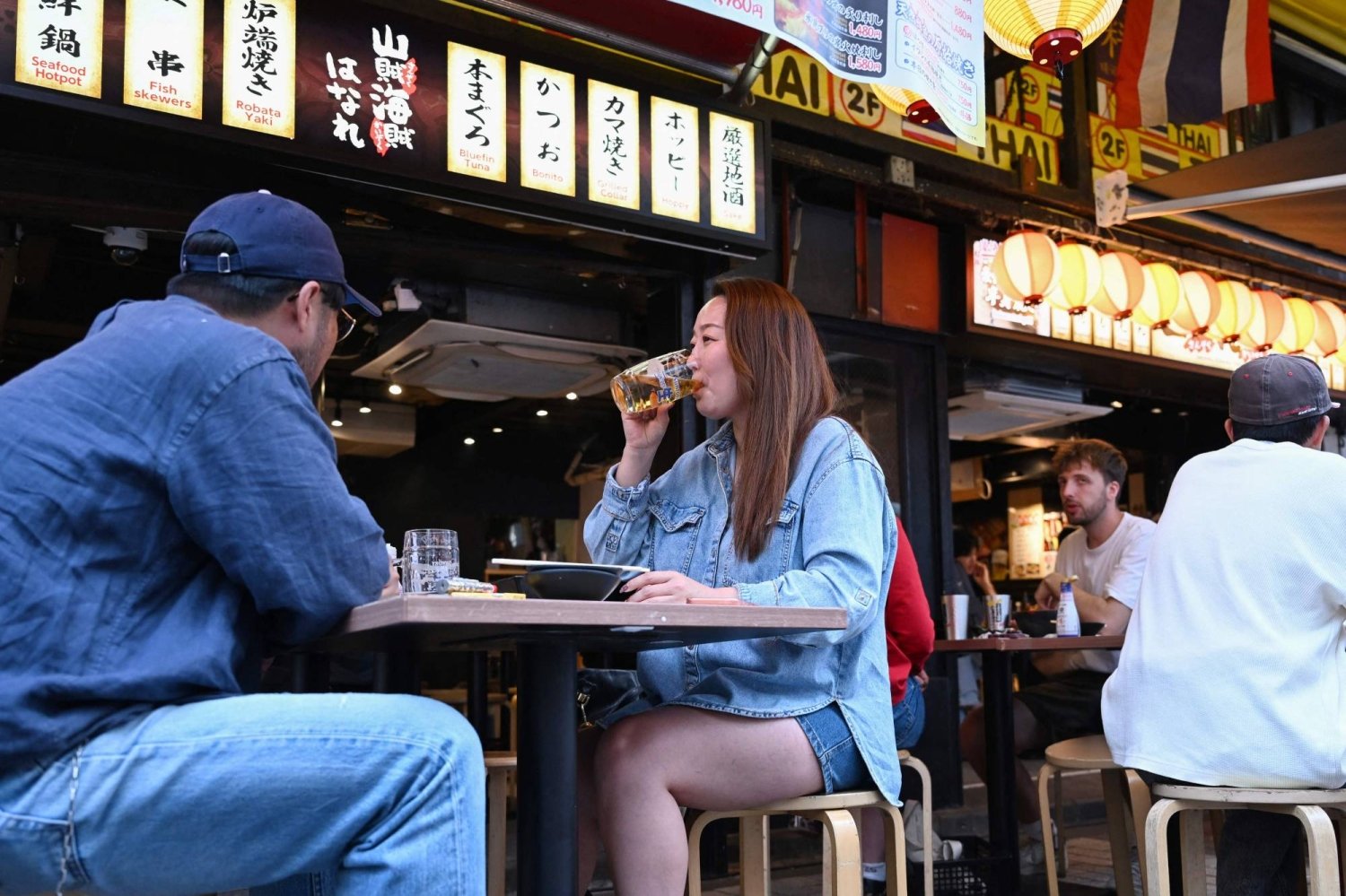
Since Japan stopped accepting new foreign workers in the restaurant industry with the Type I residency status for specified skilled workers in April, rising demand for such workers has driven them to urban areas, exacerbating labor shortages in regional areas.
A private-sector survey showed that the number of job openings in the industry for foreign workers with the Type I status, which allows holders to work in Japan for up to five years, has increased by 2.8 times since April.
A survey by Mynavi Global showed that 46.4% of foreign specified skilled workers who secured employment in the restaurant industry in July found jobs in six urban prefectures —Tokyo, Kanagawa, Chiba, Saitama, Osaka and Aichi — after having previously worked outside these areas.
The proportion increased from 31.9% in March, prior to the suspension of new admissions, highlighting an increase in the movement of workers to urban areas from regional areas.
Motoki Yuzuriha, president of Mynavi Global, which supports foreign workers seeking employment in Japan, said that there are a large number of foreign workers who move to urban areas in search of higher wages.
He added that “many switch jobs because they believe there is no opportunity at their former workplaces for them to obtain the Type II status,” which enables holders to bring their families to Japan and paves the way to permanent residency.
A man from Myanmar who secured a job in July at a restaurant in Tokyo said he left his former employer, a sushi restaurant in a regional area, because he wanted to cook.
His previous job centered on serving customers in the dining area, while his new job will allow him to work in the kitchen as well. His monthly salary will increase by around ¥10,000-¥20,000.
The man said he believes he can develop his skills quickly in his new job and work harder to obtain the Type II status.
Applicants for the Type II status must meet requirements such as two years of management experience and pass an examination covering a broad range of knowledge related to restaurant operations, including cooking, customer service and hygiene.
A support system to help workers prepare for the exam is “extremely important from the time of hiring,” regardless of whether employers are located in regional or urban areas, Yuzuriha said.
Hajime Inoue, a senior researcher at Japan Research Institute, said the specified skilled worker system must be redesigned in order to encourage foreign workers to settle in regional areas.
He stressed the importance of designing a “system that makes staying in regional areas a rational choice,” including providing incentives such as easing permanent residency application requirements to those who continue working in such areas.












Post Comment