Climate needs same urgency as defense spending, COP31 chief says
Action to curb emissions and bolster resilience to the impacts of extreme weather needs similar urgency to international efforts to lift defense investments, according to the head of next month’s annual global climate change conference.
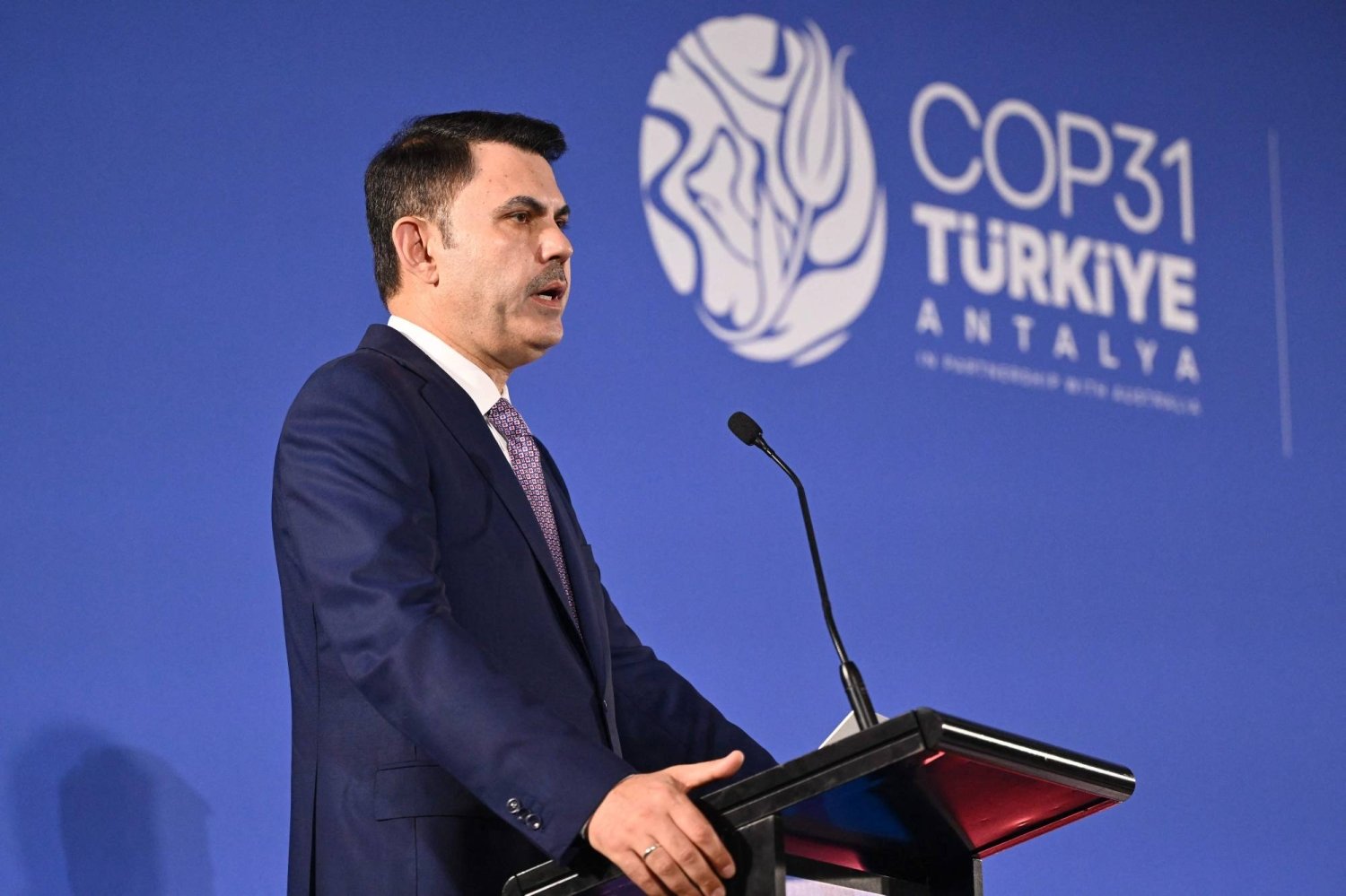
“The same responsibility, same determination, we expect each and every country to show in climate action,” Murat Kurum, Turkey’s environment minister and president-designate of the COP31 summit, told reporters Thursday in Fiji at preparatory talks ahead of the November event. “What does it mean to spend 5% for defense if you don’t have a country to live on? What does it mean to defend it?”
North Atlantic Treaty Organization nations last year committed to spend at least 3.5% of national economic output on core defense programs, and as much as a further 1.5% on related areas by 2035. In contrast, the European Union has warned “there is no scope” for new climate finance commitments at COP31, according to a draft document.
The flow of finance to fund work to lower emissions or for climate adaptation projects is faltering as nations cut overall aid budgets, and following the withdrawal of the U.S. from efforts focused on global warming. Spending on the issue by Germany, Europe’s biggest economy, fell last year and the nation missed a pledge on climate financing.
Nations “must deliver on existing finance commitments,” and continue to advance a goal of delivering $1.3 trillion a year to developing countries by 2035, Simon Stiell, executive secretary of the United Nations Framework Convention on Climate Change, said at the Fiji event.
“This is what COP31 can and must do, help convert promises into more real-world results,” Stiell said. “That depends on many factors, including scaling up, speeding up, and broadening access to affordable climate finance.”
The Pre-COP talks in Fiji have won some new pledges, including for the Pacific Resilience Facility, a mechanism established last year to direct financing for climate and disaster projects to vulnerable nations in the region. Fiji’s government offered $10 million and will press nations at the COP talks to “get climate finance into the hands of the people who really need it,” said Lynda Tabuya, the country’s minister for information, environment and climate change.
The U.K. pledged $13 million to the Pacific facility, the Netherlands offered $1.12 million and Denmark and Ireland both doubled previous commitments, according to a statement. Australia, which previously pledged 100 million Australian dollars ($70 million) to the resilience fund, made separate proposals this week totaling about AU$10 million for renewable energy projects in the Pacific and to protect infrastructure in the region.
However, the Pacific fund, which aims to build disaster preparedness without furthering the debt for participating countries, is yet to meet an initial target to win commitments of $500 million by the end of the year, and to hit a longer-term target for $1.5 billion.
With limited prospects for major new climate financing, organizers of the COP31 talks are focusing on work to improve access for developing countries — including in the Pacific, Caribbean and Indian Ocean — to already existing funding, and will seek new support from development banks and other countries.
“The countries that need the finance the most get it the least,” Australian Climate Change and Energy Minister Chris Bowen, who will serve as COP31 president of negotiations, said in Fiji. “That has got to change.”
Bowen and Kurum on Tuesday led a delegation of dignitaries, including the heads of the Asian Development Bank and Green Climate Fund, to visit climate change-threatened Tuvalu in the western Pacific Ocean.











Post Comment