Why the Strait of Hormuz is a warning for Japan
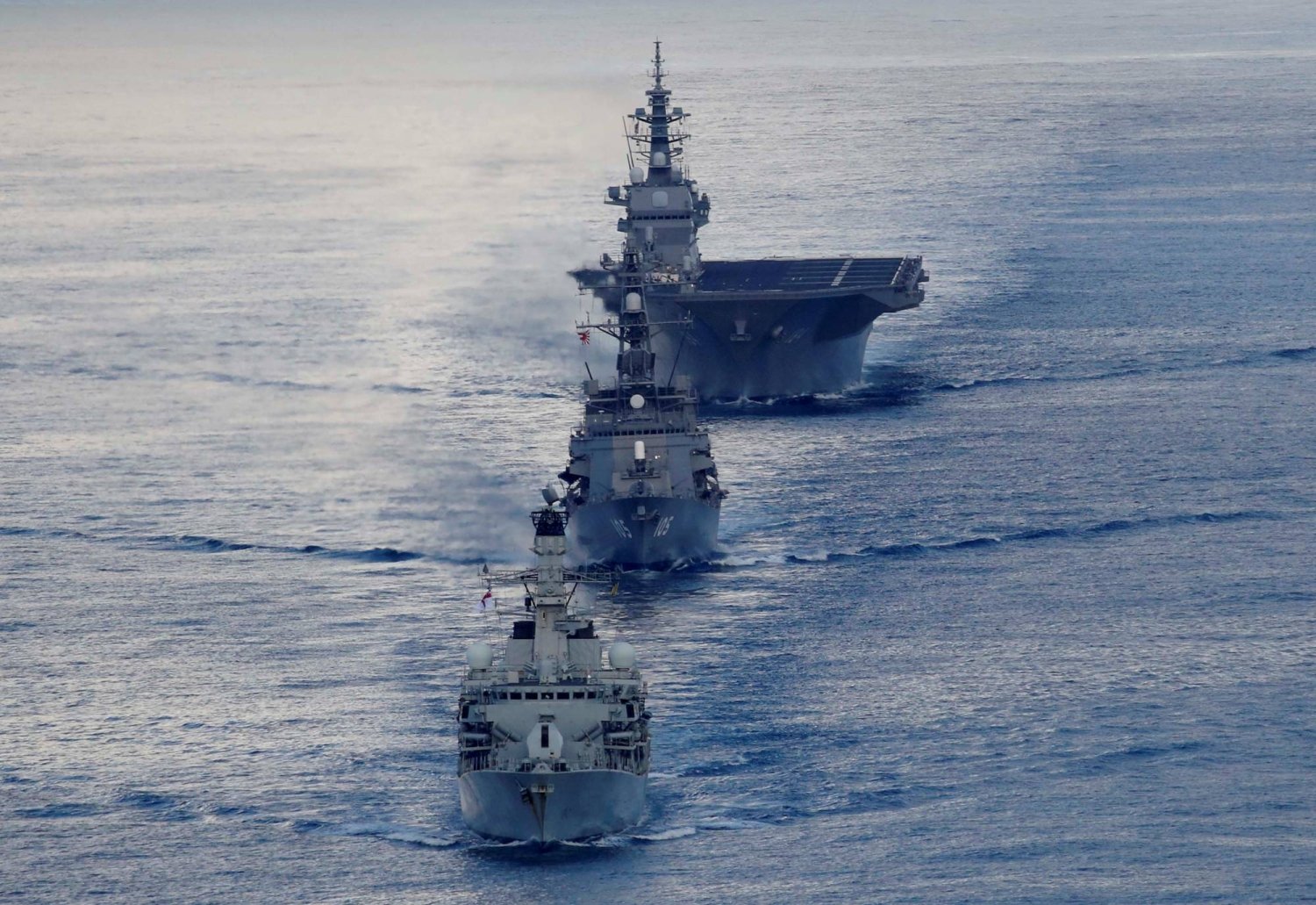
Following U.S.-Israeli strikes on Iran in February, Tehran responded by imposing a de facto blockade of the Strait of Hormuz. The strait’s geography made that possible, but the crisis should not be viewed merely as a regional conflict. It exposed vulnerabilities in the global maritime order with implications extending far beyond the Middle East.
The Strait of Hormuz crisis raises two questions: What did it reveal about the resilience of the global maritime order and what does it mean for the security of Japan’s sea lanes in the Indo-Pacific?
The maritime order has two aspects: a vertical order based on hegemony and command of the sea and a horizontal order based on norms and rules agreed upon among nations. In the late 20th century, the United States has maintained global maritime dominance through its unrivaled naval capabilities. Meanwhile, the United Nations Convention on the Law of the Sea, or UNCLOS, which entered into force in 1994, has become the standard rule of the international society.











Post Comment