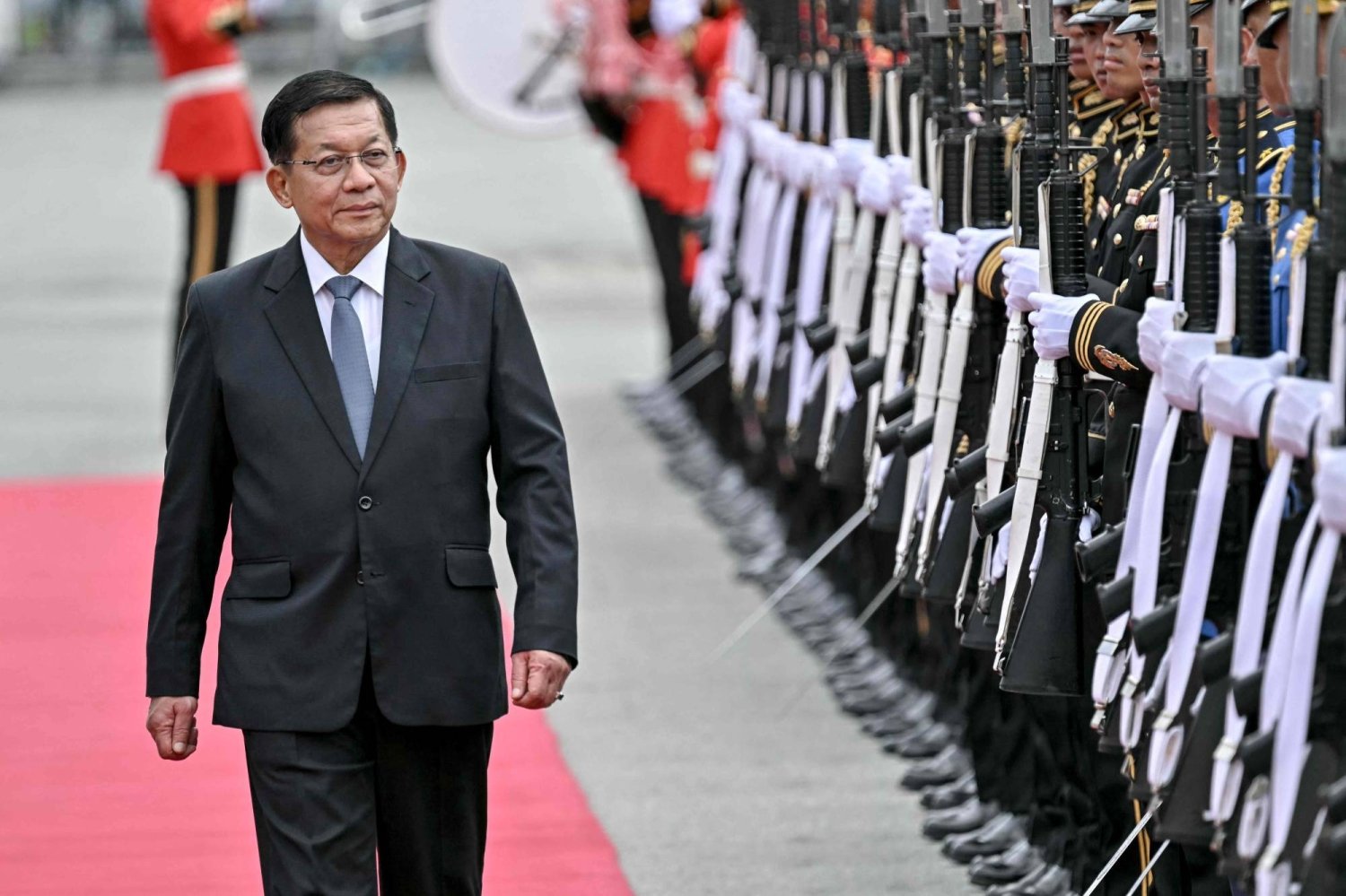
Myanmar ramps up civilian attacks with airborne weapons, U.N. says
Myanmar’s military is increasingly using drones, motorized paragliders and other low-cost aircraft to attack civilians, United Nations investigators said, even as the country’s rulers seek to project stability and gain legitimacy after a military-run election.
The report by the U.N.-established Independent Investigative Mechanism for Myanmar released Tuesday said attacks continued to rise from July last year, with a notable escalation ahead of elections held in December and January. The vote helped elevate then-junta chief Min Aung Hlaing to the presidency in April after his military seized power in a 2021 coup.
The military increasingly relies on motorized paragliders, gyrocopters and drones for low-altitude strikes using unguided explosives, including mortar shells, according to the report. In several incidents in Sagaing region, paraglider pilots cut their engines as they approached targets and glided silently, giving civilians less warning and time to seek shelter.
Investigators also said casualties were exacerbated by so-called “double-tap” aerial attacks, in which the military strikes a target and then attacks again shortly afterward, apparently targeting first responders, people helping the wounded and those trying to flee.
The mechanism said its investigations showed the frequency and intensity of war crimes and crimes against humanity committed by Myanmar’s military and various armed groups continued to escalate over the past year. It also collected “extensive evidence” of arbitrary detention, torture and sexual violence in military-run facilities, including cases linked to a 2025 law criminalizing criticism of the elections.
Myanmar’s military spokesman, Brig. Gen. San Nyo Win, did not immediately respond to a request to comment on the report.
The findings undercut efforts by the military-backed government to portray the election as a return to civilian rule after the coup. The military’s proxy party dominated the vote, with major opponents excluded and former civilian leader Aung San Suu Kyi in detention. Western governments largely rejected the process as neither free nor fair.
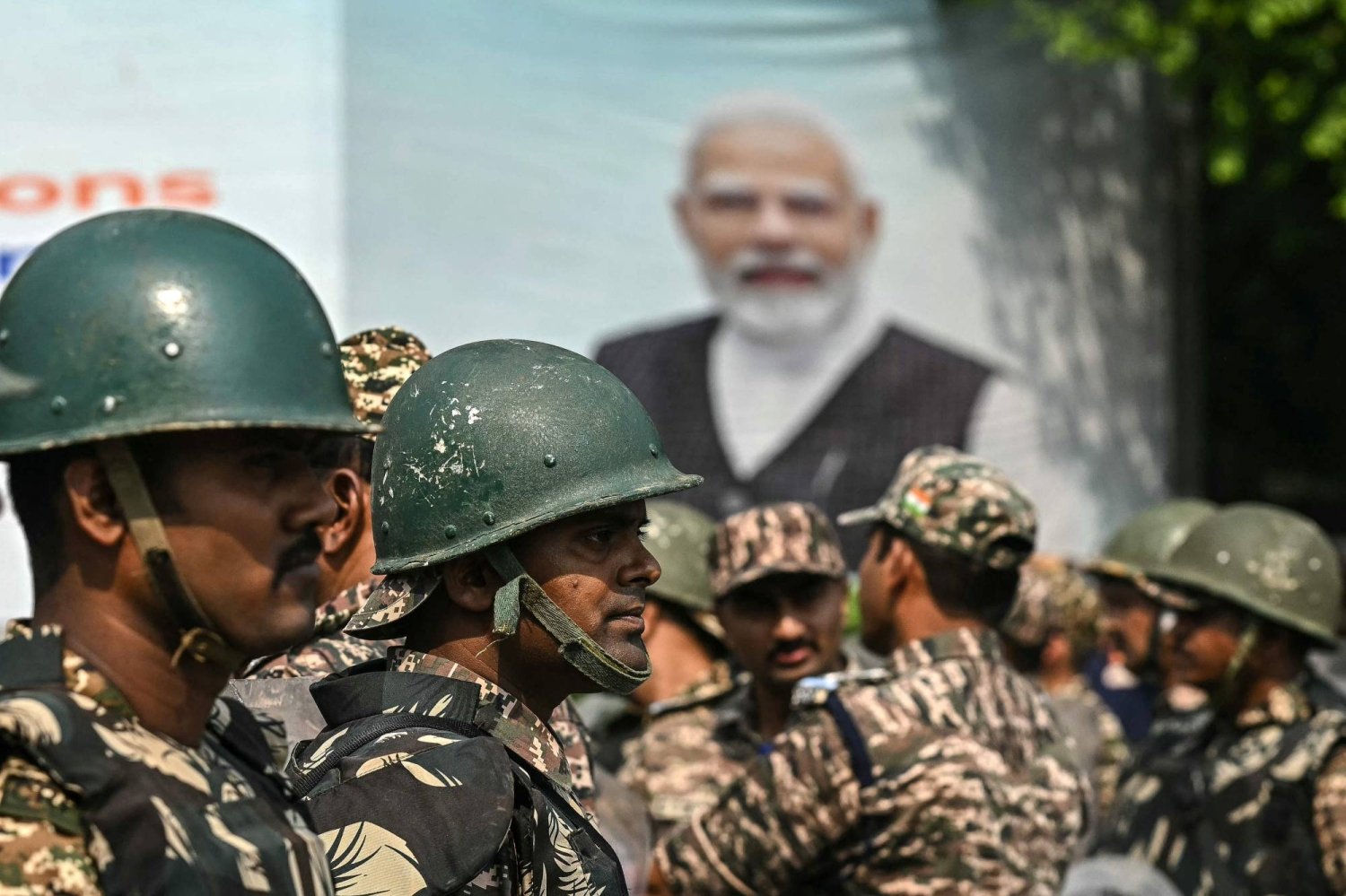
Min Aung Hlaing has stepped up diplomatic outreach since becoming president, visiting China, India, Laos and Thailand. While he has pledged to restore normal ties with members of the Association of Southeast Asian Nations, he’s also dismissed the bloc’s stalled peace plan for Myanmar and accused some members of “unconstructive discrimination.”










Post Comment