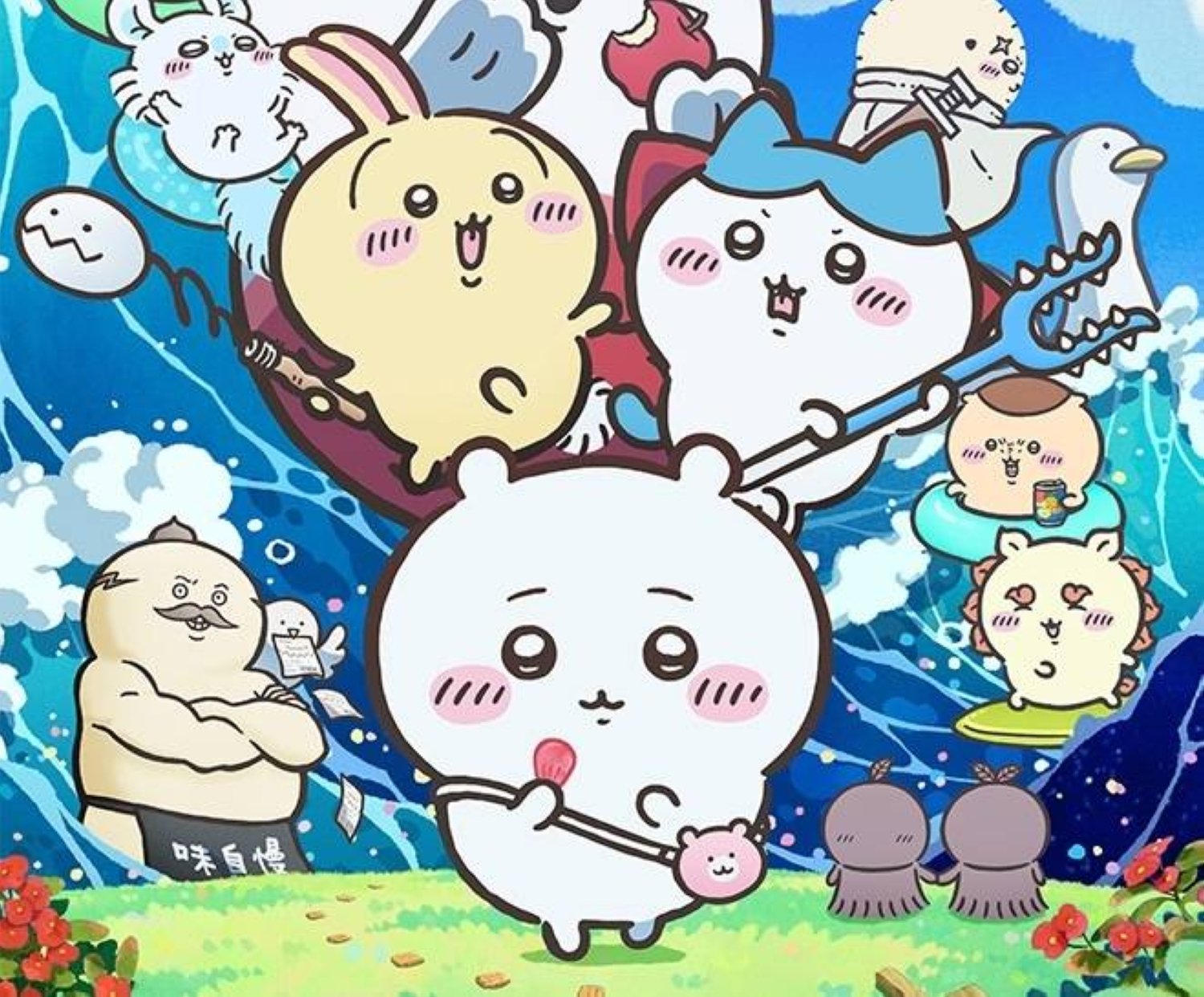
‘Chiikawa’ was always darker than it looked
It’s hard to walk around Japan without coming across the cuddly characters of “Chiikawa,” the web manga by the artist Nagano. They dangle from handbags, fill arcade claw machines and smile from Uniqlo T-shirts, making them among the most recognizable kawaii mascots of the current Reiwa Era.
It’s not surprising, then, that the franchise’s first feature-length film, “Chiikawa the Movie: The Secret of Mermaid Island,” has been a cinematic smash success since arriving in theaters on July 24. It earned ¥990 million on opening day — the seventh-biggest first day in Japanese box-office history — before reaching ¥2.24 billion by the end of the weekend. “Mermaid Island” is already shaping up to be one of the summer’s biggest hits.
What many didn’t expect from an animated summer-vacation movie was something closer to Dostoevsky than Hello Kitty, with stunned social media users describing it as “a horror movie.” They’re not entirely wrong.
The synopsis doesn’t seem too frightening at first glance. After spotting a flyer advertising an easy, high-paying monster-hunting job, the film’s trio of protagonists — Chiikawa, the cat-like Hachiware and the irrepressible Usagi — sets sail for a mysterious island. What begins as a seaside getaway quickly turns into something far more sinister when they encounter the towering sea monster Siren and two mermaids.
Much of “Mermaid Island” initially plays like the kind of all-ages fare that summer moviegoers expect. Like annual releases for “Detective Conan,” “Doraemon” and “Crayon Shin-chan,” it delivers slapstick, songs and energetic action.
Beneath all that, though, is a surprisingly bleak story — one that blindsided viewers who knew Chiikawa only as a line of plush toys. Without spoiling the plot, “Mermaid Island” explores revenge, murder, guilt and whether it’s ever possible to outrun your past, echoing topics explored in Russian literary classics like “Crime and Punishment.”
It also borrows from Japanese folk horror and even features one startlingly realistic off-screen bludgeoning. Most jarring of all, perhaps, is that the film denies viewers the tidy emotional resolution usually promised by family-friendly movies.
While many online expressed shock, longtime “Chiikawa” fans knew exactly what was coming. First published on Twitter (now X) in 2020 under the title “Nanka Chiisakute Kawaii Yatsu” (“Something Small and Cute”), the manga has always paired its adorable characters with an unexpectedly grim worldview.
Chiikawa and friends spend much of the series navigating a fantasy version of the gig economy, taking odd jobs while living under the constant threat of mutating into monsters or being eaten alive. The manga never spells out its parallels to modern life, but it hardly has to.
“Mermaid Island” adapts one of the series’ most infamous story arcs — the closest “Chiikawa” comes to its own “Red Wedding” moment. Fans watched with a mix of sympathy and glee as newcomers compared screenings to “a family member’s wake” while praising the film for faithfully bringing one of the manga’s most devastating stories to the big screen.
More than a box-office hit, “Mermaid Island” marks another milestone for internet-born Japanese pop culture. Like last year’s “Exit 8,” it shows that stories that first found audiences online can make the leap to the multiplex without losing the qualities that made them resonate in the first place — much as the YouTube-born “Backrooms” has done in the West this year.
If “Mermaid Island” proves to be the first of many “Chiikawa” films, future audiences will know what they’re signing up for. But for many viewers this time around, cute has rarely felt quite so unsettling.














Post Comment