Japan’s Takaichi defends policy as underpinning yen, approval rating slumps
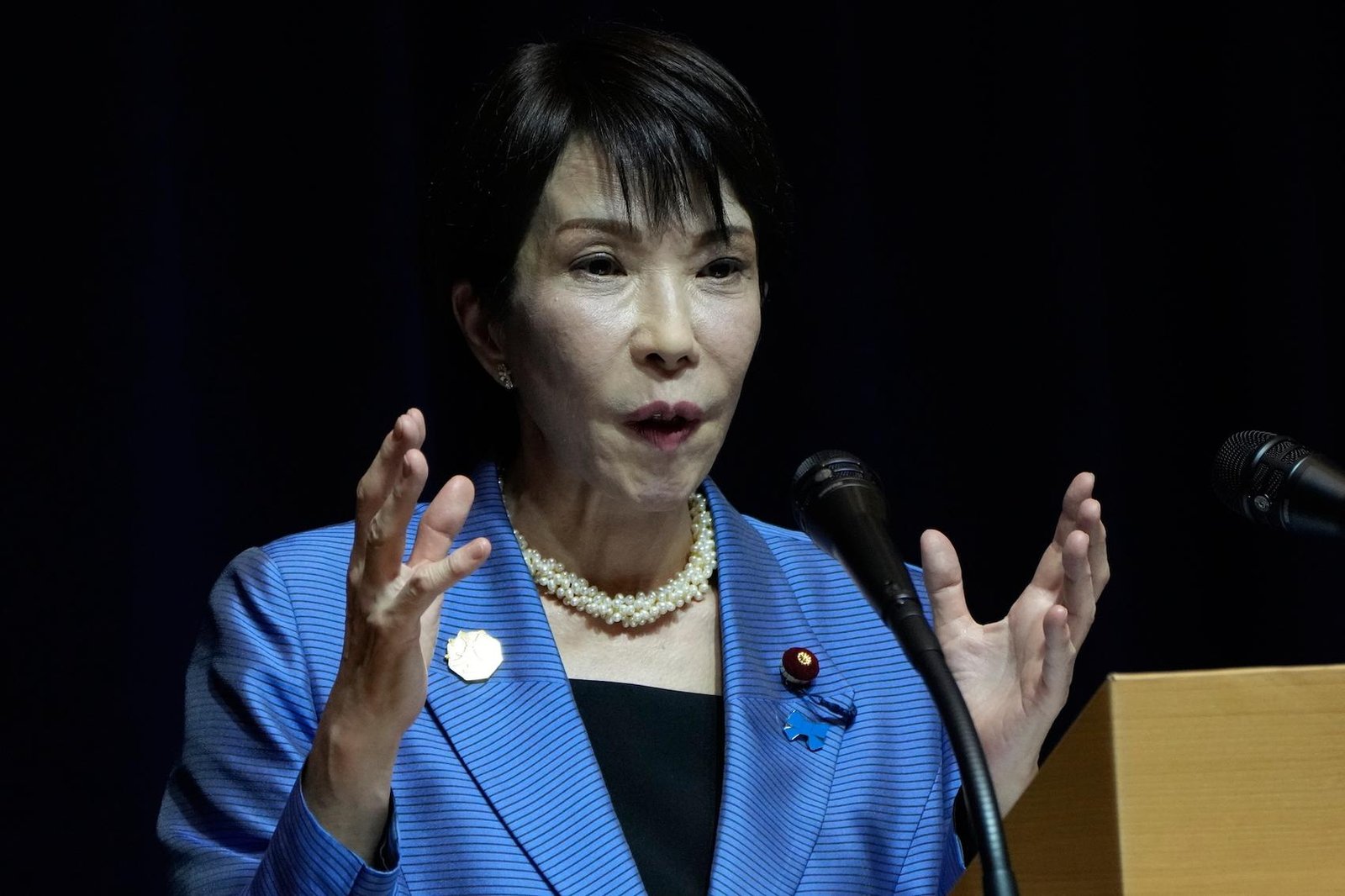
Japanese Prime Minister Sanae Takaichi said government efforts to boost the country’s growth potential will underpin market trust in the yen, countering views that the rising cost of living from the weak currency was hurting her approval ratings.
She also said while the Bank of Japan held jurisdiction over monetary policy, the central bank was required by law to work closely with the government on economic policy.
“Exchange rates move on various factors and are set by markets. It’s hard to gauge the direct impact of any specific factor,” Takaichi told parliament on Monday.
“But creating a strong economy by boosting its growth potential and strengthening Japan’s competitiveness would lead to market trust in the yen,” she said.
Takaichi made the remark when asked by an opposition lawmaker on whether the yen’s recent slump to a 40-year low could have been caused by the administration’s reservations over the Bank of Japan’s rate-hike plans.
The approval rating of Takaichi’s administration slumped in July to the lowest level since she took office last year, the Yomiuri newspaper reported on Sunday, a sign that rising living costs were hitting her popularity.
The sliding popularity adds to headaches for Takaichi, who has seen her expansionary fiscal and monetary policy bias cause a spike in bond yields and a slump in the yen to four-decade lows.
Such market pressures and opposition even from within her own ruling party have delayed the government’s decision on whether and when to cut an 8% levy on food sales – a pledge Takaichi made to cushion the blow from rising living costs.
Ruling and opposition parties have failed to reach an agreement on details of the two-year tax suspension idea, heightening the stakes for Takaichi.
The government has not explained how it would fund the tax suspension which, coupled with rising defence spending, adds strains to Japan’s already tattered finances.
Takaichi’s flagship policies focusing on boosting investment in growth areas have pushed bond yields to multi-decade highs on market fears it could lead to increased debt issuance.
DIMINISHING POLITICAL CAPITAL
In a poll conducted between July 24 and 26, the approval rating for Takaichi’s administration fell to 57%, down from 69% in June and the first time it has dropped below 60% since she took office, Yomiuri said.
The percentage that disapproved of her administration rose to 34% from 21% in June, the newspaper said. Those polled who disapproved of her administration’s efforts to combat the rising costs of living rose to 71%, up from 56%, it said.
Other recent media polls have also seen Takaichi’s approval ratings slide. Kyodo news agency reported on Friday Takaichi may reshuffle her cabinet in August or September.
“Her approval ratings remain high compared to past administrations so it’s not as if Takaichi’s political grounding is shaking,” said Kenji Yamamoto, chief market economist at Daiwa Securities.
“But it’s also true the enormous political capital she gained from the lower house election victory is gradually diminishing,” he said.
The Bank of Japan raised interest rates to a 31-year high of 1% in June, though real borrowing costs remain negative with inflation hovering around its 2% target for nearly four years.
While the BOJ is set to keep interest rates steady on Friday, it is seen leaving scope for further hikes with hawkish communication on mounting inflationary pressure from the Middle East conflict, a weak yen and robust global AI demand.
© (c) Copyright Thomson Reuters 2026.














Post Comment