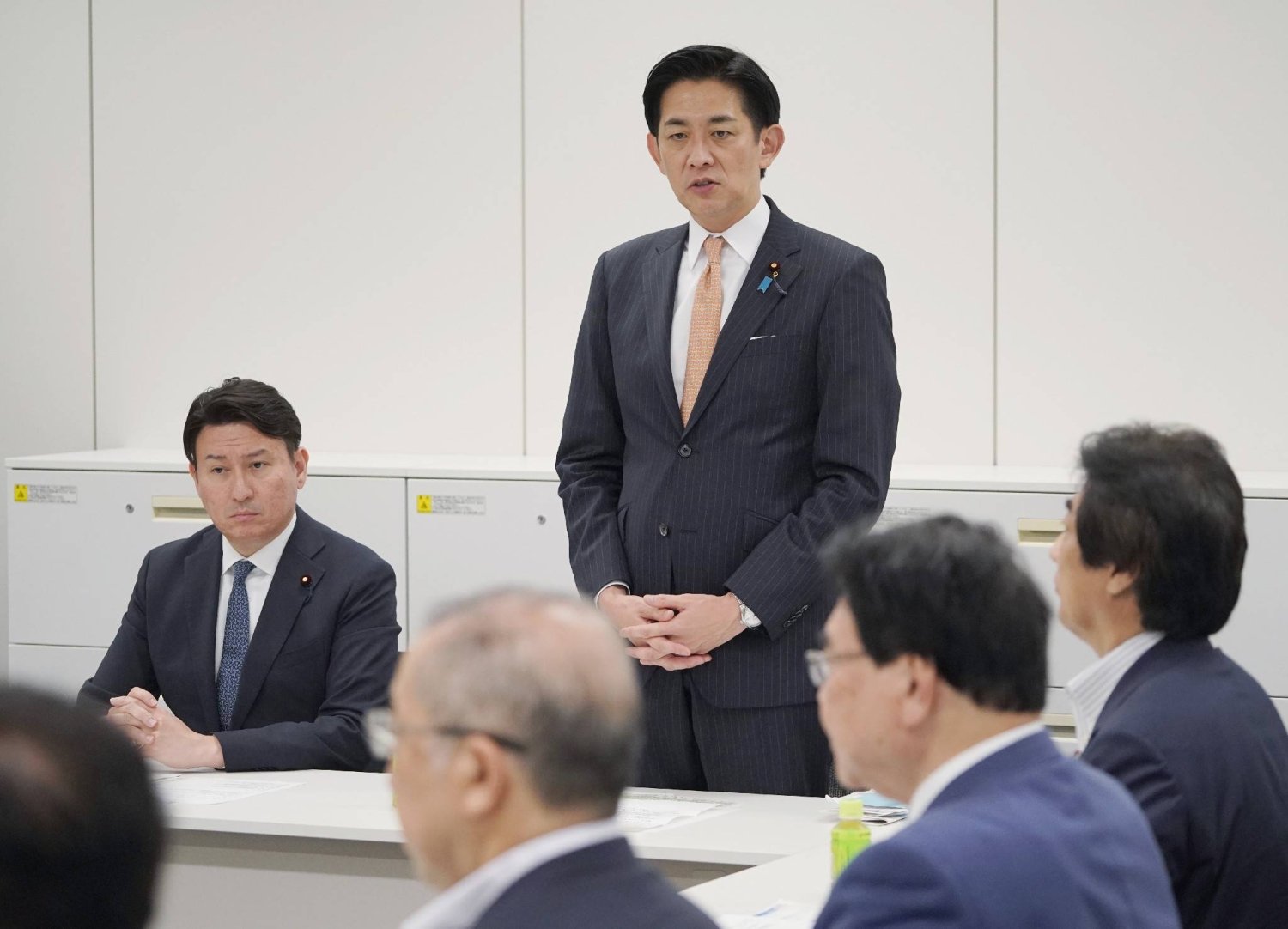
Parliament extension grounds some lawmakers from overseas travel
The extension of parliament is playing havoc with lawmakers’ overseas travel plans, as a Lower House committee turned down an overseas trip request from some ruling lawmakers but approved others’ plans during the eight-day extension that ends Saturday.
The lower chamber’s rules committee, made up of ruling and opposition party members, vetoed a planned trip by Liberal Democratic Party Policy Research Council Chairman Takayuki Kobayashi and two LDP lawmakers, who had been scheduled to depart July 19 for Papua New Guinea, Fiji, and the Solomon Islands.
While parliament is in session, all lawmakers must get permission from the rules committee to travel overseas. The committee turned down requests from senior LDP officials as well as those serving as parliamentary committee chairs so they would be available to respond to questions during the extended session.
Kobayashi expressed regret Thursday at the committee’s decision.
“In realizing the vision of a ‘Free and Open Indo-Pacific’ (FOIP), I felt it was absolutely essential to visit these Pacific Island nations in person,” he told reporters.
“This conviction stemmed from a recognition of their positioning and geopolitical significance — as well as their importance regarding security and economic security — and the need to observe firsthand how other countries are engaging with the region.”
LDP Secretary-General Shunichi Suzuki agreed with the committee’s decision, however.
“Parliamentary diplomacy is certainly important. However, when faced with a choice between that and the fact that significant bills remain pending, I believe we must prioritize parliament,” Suzuki said Tuesday.
Other senior LDP members not directly involved in legislative policymaking were given permission to go overseas. They include the party’s executive Koichi Hagiuda and former Digital Minister Taro Kono, who are in Vietnam and then Singapore from July 20 to 26.
Opposition leaders say they understand the importance of the planned overseas trips, especially given China’s activities in the region. But, they added, it was the choice of the government to extend the current session past the scheduled July 17 closure date in order to continue discussions on the controversial secondary capital bill in the hopes of finding enough votes to pass it by Saturday.
“The government should have prioritized parliamentary diplomacy over the secondary capital agenda and closed the Diet session (as scheduled),” Democratic Party for the People head Yuichiro Tamaki said Tuesday.
The DPP and the major opposition parties control the Upper House and remain opposed to the bill establishing a secondary capital. It continued to be debated Thursday, and its fate remained unclear. Another three bills amending the laws on a national referendum, on vaccinations, and on energy efficiency for buildings were also being debated but expected to be passed by Saturday.









Post Comment