Japan to boost measures against heatstroke and cold at evacuation centers
Measures against heatstroke and extreme cold at evacuation centers are set to be enhanced under a revision to the central government’s basic disaster management plan.
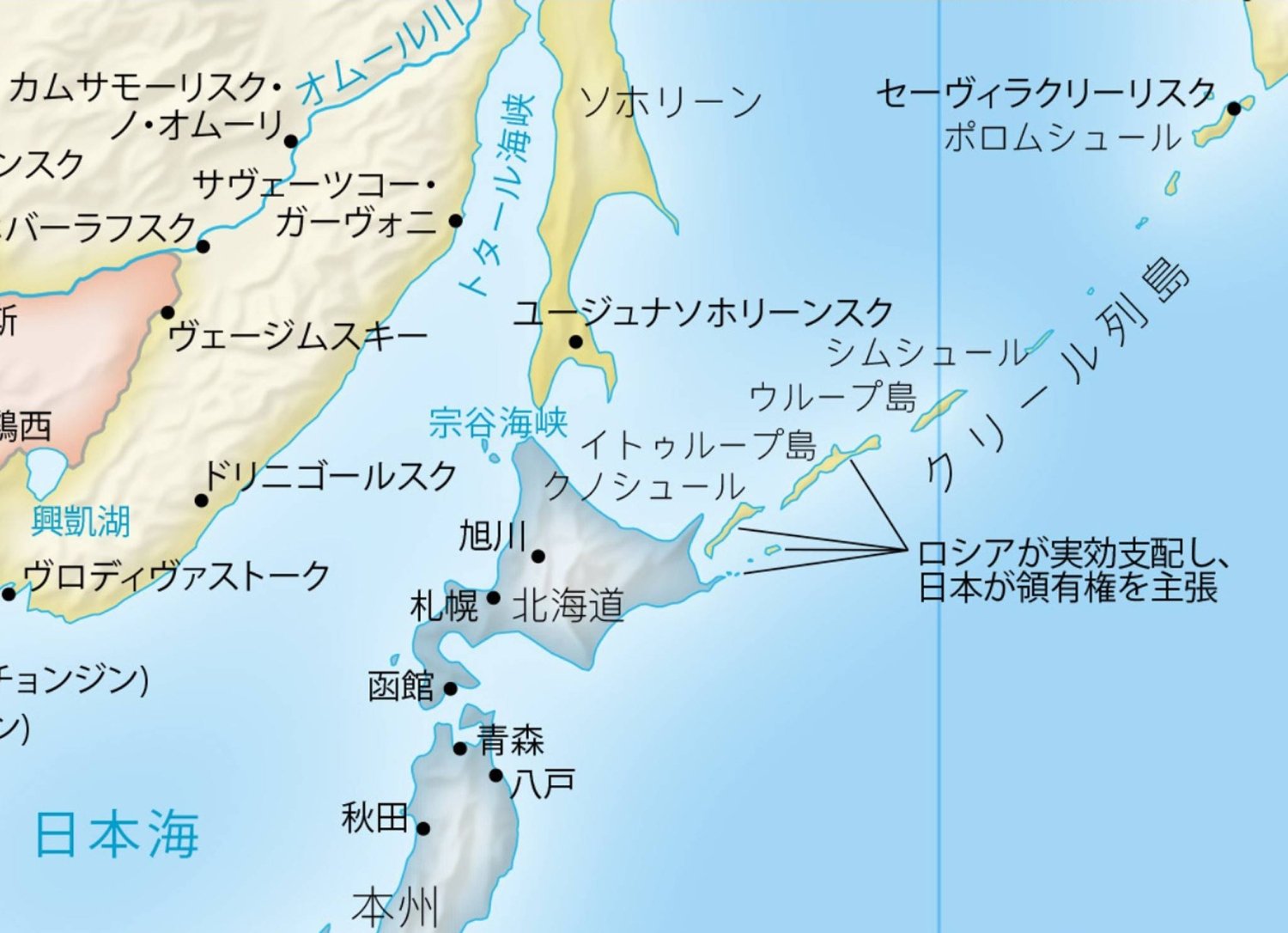
The revised plan, adopted on Tuesday, calls for such measures after residents in many parts of Japan had to spend long hours at evacuation centers under tsunami warnings and advisories following a powerful earthquake off Russia’s Kamchatka Peninsula in July last year.
The plan serves as the cornerstone of disaster response measures by the central and local governments.
According to the Cabinet Office, it took about 32 hours for the tsunami warnings and advisories to be completely lifted. The prolonged evacuation during the summer caused some evacuees to be taken to hospitals due to suspected heatstroke.
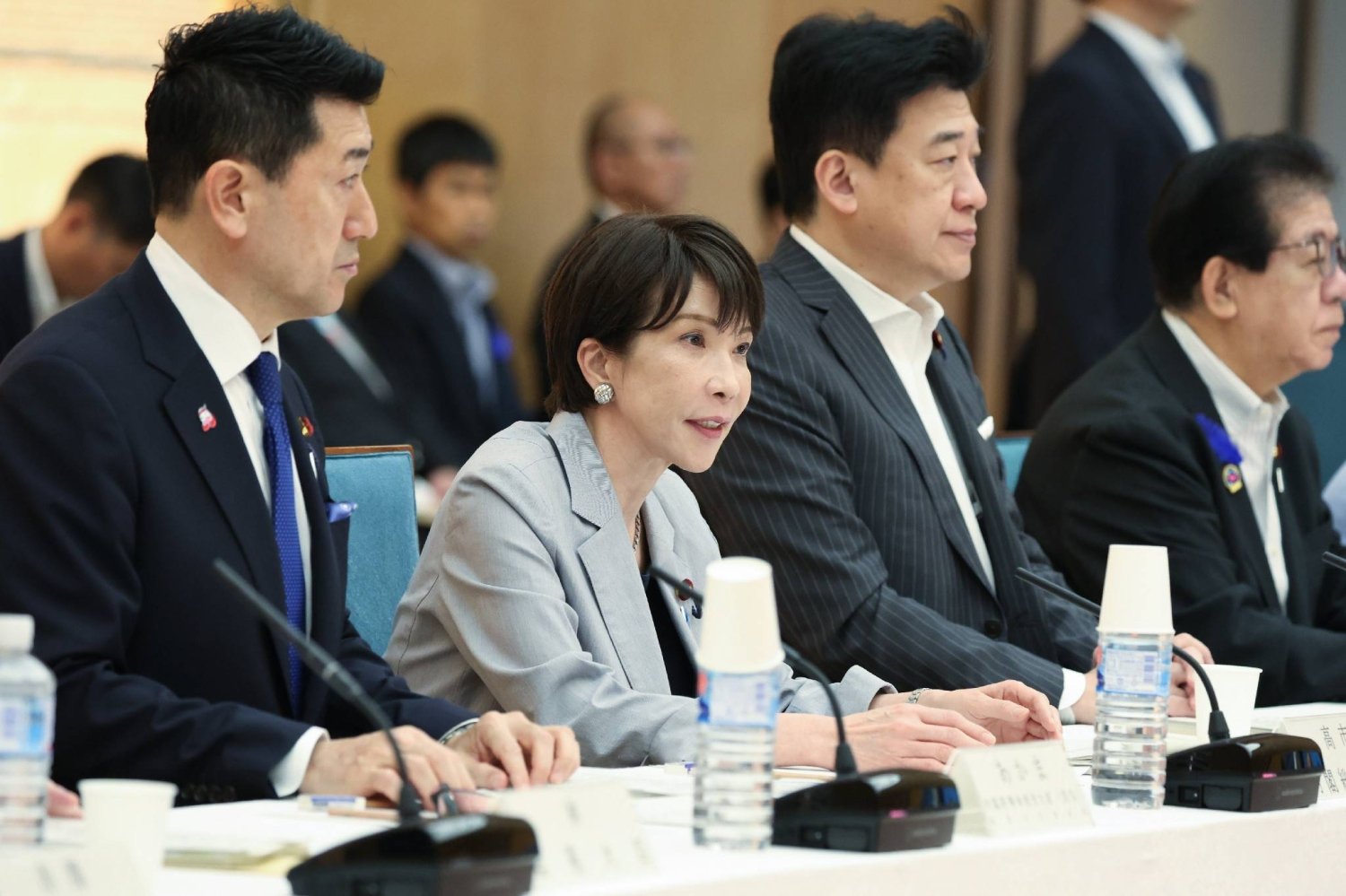
The government’s Central Disaster Management Council, chaired by Prime Minister Sanae Takaichi, has decided to revise the basic plan, urging local governments to stockpile supplies such as drinking water, cold protection gear and tents for shade at designated emergency evacuation sites to protect evacuees from heatstroke and cold.
The revised plan also calls for installing satellite telephones and security cameras at evacuation sites so that evacuees can be accounted for swiftly in the event of a disaster.
Also requested is improved accessibility, such as creating ramps for wheelchairs, to allow elderly people and people requiring special care to evacuate smoothly.
Regarding the government’s new list of “victim certification coordinators,” the revised basic plan calls on local government officials with expertise in disaster damage surveys of homes — and the issuing of victims’ certificates — to be registered on the list in order to be prepared for disasters.
The list will be used by the central and prefectural governments in the event of a disaster to choose officials to be sent to affected areas.











Post Comment