Google’s Pixel 9: A New Chapter in AI-Driven Smartphones

- Google has unveiled its AI-driven Pixel 9 smartphones, aiming to demonstrate practical AI applications.
- The Pixel 9 models use Google’s Gemini AI capabilities to assist with daily tasks and offer a more free-flowing conversation with Google’s AI.
- Concerns arise about personal data protection with the introduction of AI-infused Pixels, especially after a recent anti-trust case ruling against Google.
- Analysts believe the Pixels could help consumers better understand the potential of AI, with Google also unveiling new AI-featured Pixel earbud and smartwatch models.
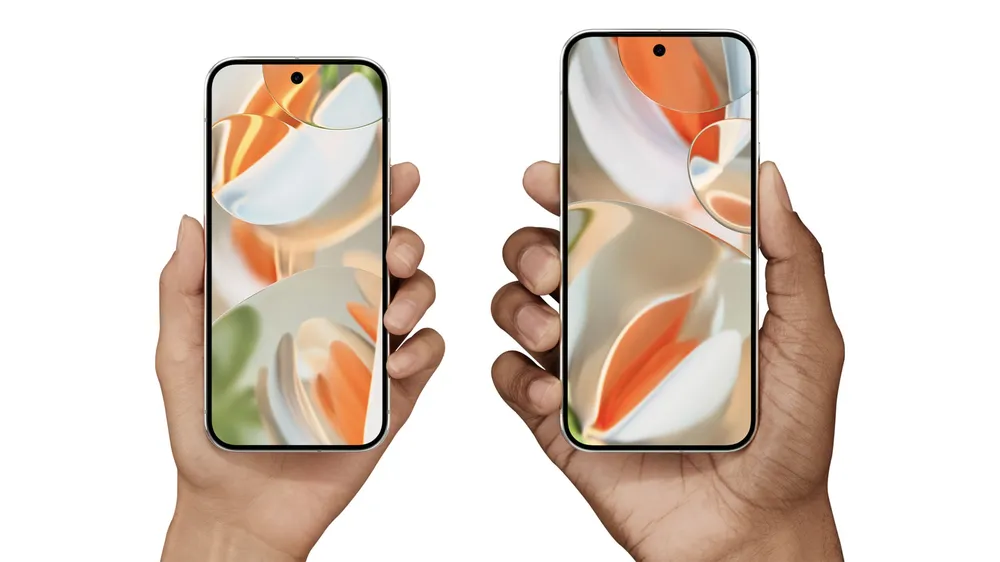
In a significant move in the ongoing race for artificial intelligence (AI) supremacy, Google unveiled its latest Pixel 9 smartphones on Tuesday. The Silicon Valley tech giant has been in a fierce competition with Microsoft, OpenAI, and others since the 2022 release of ChatGPT, which sparked a surge of interest in AI technology. Despite Pixels accounting for a small fraction of the global smartphone market, which is dominated by Samsung and Apple, Google believes its new line is an opportunity to demonstrate the practical applications of AI for customers.
I understand people’s skepticism, said Rick Osterloh, Google’s senior vice president of devices, at the company’s campus in Mountain View, California. There have been so many promises, so many ‘coming soons,’ and not enough real-world helpfulness when it comes to AI – which is why today we’re getting real. The Pixel 9 models utilize Google’s Gemini AI capabilities, offering consumers an alternative to the iPhone’s Apple Intelligence AI, as well as the company’s alliance with ChatGPT-maker OpenAI.
Pixel 9: A Practical Approach to AI
The phones are designed to assist with daily tasks like booking appointments or finding old files in the mountain of data people tend to save, according to Shenaz Zack, Pixel’s senior director of product management. For instance, a Pixel might be used to take a photo of a concert poster, then check whether that calendar date is open and draft a message inviting friends to join. The company also stated that conversations with Google’s AI on Pixel will be more free-flowing, allowing interruptions or sudden topic shifts.
However, the introduction of AI-infused Pixels raises questions about how well Google is safeguarding personal data, and how regulators will react to the tech giant’s push to make users even more dependent on its platform. Just last week, a U.S. judge ruled in a landmark anti-trust case that Google has maintained a monopoly with its dominant search engine, a decision that could alter how the sector operates in the future.
Privacy and the Future of AI
The Pixel 9 models are designed to weave users more tightly into Google’s online services, mirroring Apple’s strategy with the iPhone and App Store. Google has emphasized its commitment to privacy, from protecting data used by its AI to letting users create password-protected private spaces for apps and other content. The Pixel 9 models allow Gemini AI to handle personal requests, sending no sensitive information off the device, according to Google.
Analysts believe the Pixels could help consumers better envision the potential of artificial intelligence. I’m actually really impressed with what Google has done here, Techsponential analyst Avi Greengart said at the Pixel event. Google is making AI practical and understandable to the average consumer … It’s so easy, once you use it, to see the benefit of AI rather than this sort of amorphous conceptual thing that is being thrust upon us.
In addition to the new smartphones, Google also unveiled new Pixel earbud and smartwatch models boasting AI features. The company said the watches will be able to access live feeds from Google’s Nest camera-equipped doorbells, letting wearers see who is at their homes and speak with them. The launch of the Pixel 9 smartphones is reminiscent of the tech industry’s historical moments when companies have made significant strides in integrating AI into their products.
As the AI race heats up, the unveiling of the Pixel 9 smartphones marks another milestone in the journey of AI from a conceptual technology to a practical tool that can enhance everyday life. The introduction of these AI-infused devices not only signifies Google’s commitment to advancing AI technology but also sets a new standard for what consumers can expect from their smartphones. As we move forward, it will be interesting to see how these developments shape the future of AI and its role in our daily lives.













Post Comment